


The state of tap water across the UK
Most people rarely think twice before turning on the tap, yet the UK enjoys some of the safest, best-regulated drinking water in the world. Every region follows strict standards, with thousands of samples tested each year to ensure that what flows from your tap meets rigorous safety requirements.
Understanding how water quality is protected—and why it sometimes tastes different depending on where you live—can help you appreciate it even more, and decide whether enhancing your home water makes sense for you.
Tap Water Quality in the UK: What You Should Know
- The water you get from your tap in the UK is carefully regulated and overwhelmingly meets legal safety standards.
- National regulators publish clear rules and thousands of samples are tested every year to protect your health.
- Regional differences in taste or feel are often due to geology, water source and home-plumbing — not a safety concern.
- Simple at-home steps like flushing the tap or using a filter (if you prefer) can improve taste and your enjoyment of your water.
- When you feel confident about your water and enjoy drinking it, you’re more likely to stay well hydrated — supporting your health, your home and the environment.
- Did you know that in England 99.98 % of public water-supply samples met all regulatory standards between 2020 and 2022?
How tap water is regulated
|
Region |
Regulator |
Main Legislation |
|
England & Wales |
Drinking Water Inspectorate (DWI) |
Water Supply (Water Quality) Regulations 2016 |
|
Scotland |
Drinking Water Quality Regulator (DWQR) |
Public Water Supplies (Scotland) Regulations 2014 |
|
Northern Ireland |
DWI (NI) |
Water Supply (Water Quality) Regulations (Northern Ireland) 2017 |
Each regulator enforces legally binding limits for:
Microbiological safety: such as E. coli and enterococci.
Chemical parameters: including nitrates, metals, and pesticides.
Aesthetic factors: taste, colour and odour.
Suppliers must publish annual water quality reports, and the regulators perform independent audits to confirm compliance. The system is built around consumer protection, transparency and ongoing improvement.
How clean is it in practice?
The numbers are reassuring. In England, 99.98 percent of samples from public water supplies met all regulatory standards between 2020 and 2022. Scotland and Northern Ireland report similarly high compliance.
Occasional issues, such as slightly elevated mineral readings or short-term supply problems, are investigated immediately. Water companies use “water safety plans”, which assess risks from source to tap so potential problems are tackled before they arise.
For peace of mind, every consumer can check their local results using their postcode on the government’s “Check the quality of your drinking water” service.
Why water tastes different across the UK.
Source and geology
The make-up of your local landscape plays a big part in how your water tastes and feels. In England, about 30 percent of supply comes from groundwater, the rest mainly from rivers and reservoirs. Hard-water regions, found across the South and East, sit on chalk and limestone, which naturally enriches water with calcium and magnesium. Softer water is common in the North and West, where upland surface sources dominate.
Treatment and distribution
All tap water is disinfected, usually with low levels of chlorine to maintain purity on its journey to your home. The amount that remains at the tap can slightly influence taste or smell, especially if the water has been standing in pipes for a while.
Home plumbing
The final section of the supply—the pipes and fittings inside your property—can also affect taste and clarity. Water left overnight in internal pipes can take on a flat or metallic flavour, so it helps to run the cold tap for a few seconds first thing in the morning.
Simple ways to enjoy your tap water more
Quick wins for better taste
- Let cold water run briefly after long periods of non-use.
- Chill filtered tap water in glass jugs for a fresher taste although for health reasons room temperature is best.
- Clean kettles and coffee makers regularly to prevent scale build-up.
Know your local profile
Check your supplier’s report to learn whether your water is hard or soft, and what minerals it contains. This helps set expectations about flavour and equipment maintenance.
When to consider filtration
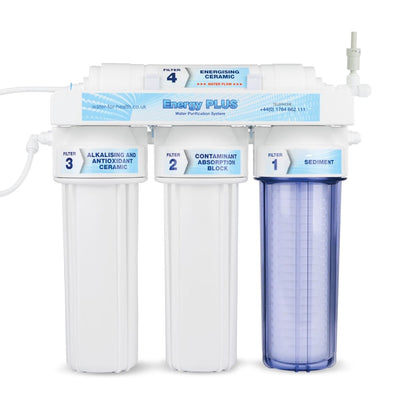
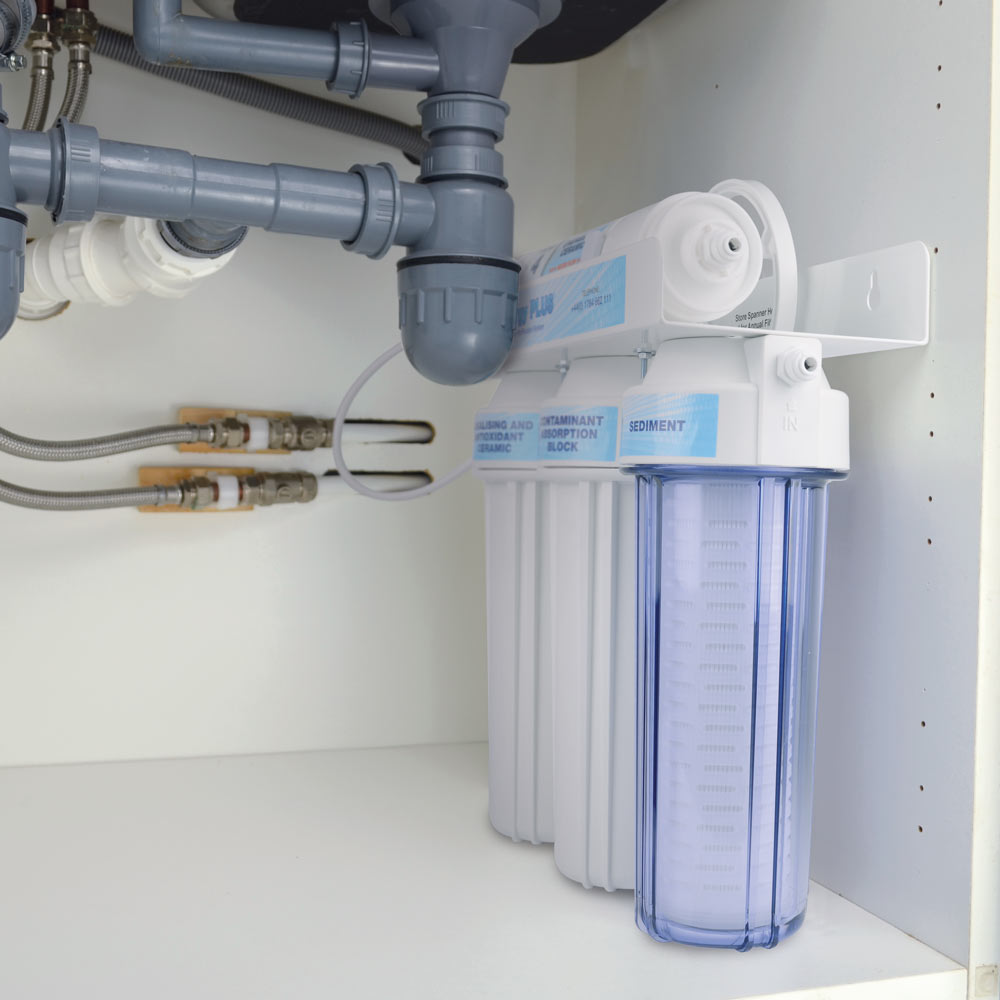
If you prefer a smoother taste or wish to reduce chlorine or limescale, a certified home filter can make a noticeable difference. At Water for Health, our range of drinking water filters, whole house systems and structured water devices are designed for those who already value good-quality water but want to enhance it further.
Stay informed
All UK water suppliers publish annual quality reports and updates online. Keeping an eye on these builds confidence in what you’re drinking and helps you make informed choices.
Why excellent hydration matters
Good water quality supports good hydration—and that underpins nearly every aspect of wellbeing. Drinking enough clean water helps:
- Maintain focus and energy.
- Support digestion and skin health.
- Balance body temperature and nutrient transport.
When water tastes pleasant, you naturally drink more, reinforcing healthy hydration habits. Enjoying your tap water also means fewer single-use plastic bottles and lower household costs—simple steps that support both wellbeing and sustainability.
At Water for Health, we believe hydration is a cornerstone of better health. By optimising the water you already have, you can make every sip more enjoyable and beneficial.
Tap Water Quality in the UK: What You Should Know
UK tap water is among the best in the world—safe, reliable and closely monitored. Differences in taste or hardness are natural and often reflect local geology rather than any quality concern. With a little knowledge and, if you wish, simple at-home improvements, you can make your daily hydration even more enjoyable.
Think of every glass as an investment in your wellbeing. Your tap is doing a great job; we’re here to help you make it even better.
Explore how Water for Health can help you elevate your everyday water experience with our range of water filters here.
Further Reading
Drinking Water Quality in England: Triennial Report 2020–2022: Official government report on public supply compliance and water quality in England.
Taste & Smell — DiscoverWater: Consumer-friendly information on why tap water may taste or smell different, and what it means.
UK Water Quality: Regional Differences Explained: A clear explanation of how geology, source water and region affect tap water in the UK.