


Water is something we use constantly, often without thinking about it. We drink it, cook with it, make tea and coffee with it, and use it to prepare food for ourselves and our families. Because it is such a regular part of daily life, even small improvements to water quality can make a noticeable difference over time.
Across the UK, more households are choosing to install a water filter tap. Not because tap water is unsafe, but because people want better taste, fewer unwanted substances, less limescale, and a more sustainable alternative to bottled water. A water filter tap offers all of this in a simple, practical way that fits neatly into everyday routines.
At Water for Health, we believe in clear information and sensible solutions. This guide explains what is in UK tap water, how water filter taps work, and the real benefits they can bring to your home, so you can decide whether a filtered tap is right for you.
Key Takeaways
- UK tap water is safe, but its taste, smell, and limescale levels vary by location and plumbing.
- A water filter tap improves drinking water quality directly at the point of use.
- Filtered water can taste better and feel more pleasant for tea, coffee, and cooking.
- Installing a water filter tap can reduce reliance on bottled water and plastic waste.
- For many households, filtered tap water is a simple and cost effective long term solution.
Did you know? Many people drink more water each day simply because filtered water tastes better.
What Is Actually in UK Tap Water?

UK tap water is among the most tightly regulated in the world. Water companies must meet strict legal standards set by regulators, and for most people it is perfectly safe to drink straight from the tap.
That said, the content of tap water can vary depending on where you live, how the water is treated locally, and the condition of household plumbing. Understanding what is commonly present helps explain why filtered water often tastes and feels different.
Where UK Tap Water Comes From
Tap water in the UK comes from two main sources:
- Surface water, such as rivers, lakes, and reservoirs
- Groundwater, drawn from underground aquifers
These sources are treated before reaching your home, but their natural characteristics differ. This is one reason why water tastes different from one region to another.
Common Elements Found in UK Tap Water
Some of the most common components include:
-
Chlorine
Chlorine is widely used to disinfect water and protect it from harmful bacteria as it travels through pipes. While effective, it can leave a noticeable taste or smell that many people find unpleasant. -
Naturally occurring minerals
Calcium and magnesium are present in many areas of the UK, particularly in hard water regions. These minerals are not harmful, but they contribute to limescale and can affect taste. -
Trace metals
In older properties, small amounts of metals such as copper or lead can enter water through ageing plumbing. Levels are regulated, but some homeowners prefer to reduce them further at the point of use. -
Organic matter and fine particles
Tiny particles and natural organic material can be present in low levels, depending on the water source and treatment process.
Safe Does Not Always Mean Ideal
UK tap water meets safety standards, but that does not mean it always tastes great or suits every household equally. Differences in flavour, smell, and limescale build up are common reasons people look for an extra layer of filtration for drinking and cooking water.
What Is a Water Filter Tap?
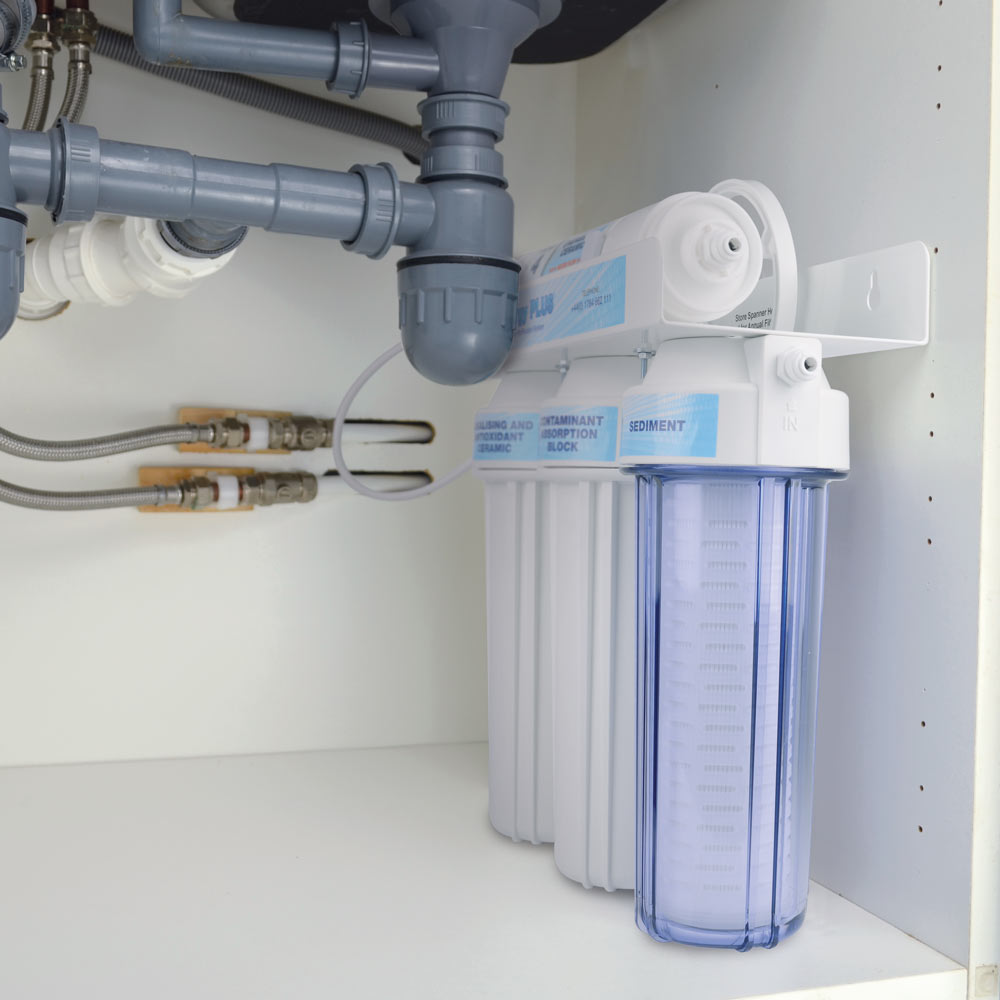
A water filter tap is a tap designed to deliver filtered drinking water directly from your kitchen. It is connected to a filtration system, usually installed under the sink, that treats the water just before you use it.
Some filter taps are separate from your main tap, while others are integrated into a single unit with multiple channels. In both cases, the purpose is the same: to improve the quality of water used for drinking and food preparation.
How Water Filter Taps Work
Most water filter taps use a combination of filtration methods. These commonly include:
- Activated carbon filtration to reduce chlorine taste and odour
- Fine sediment filtration to remove small particles
- Optional scale reduction media in hard water areas
Water passes through the filter before reaching the tap, meaning the water you drink has been treated at the point of use rather than centrally.
What Water Filter Taps Are Designed to Do
A water filter tap is intended to:
- Improve taste and smell
- Reduce certain unwanted substances
- Provide cleaner water for drinking and cooking
It is not designed to turn tap water into a medical product or to remove every single element from the water. Good filtration focuses on balance, retaining beneficial minerals while reducing things that affect taste, clarity, and everyday enjoyment.
 |
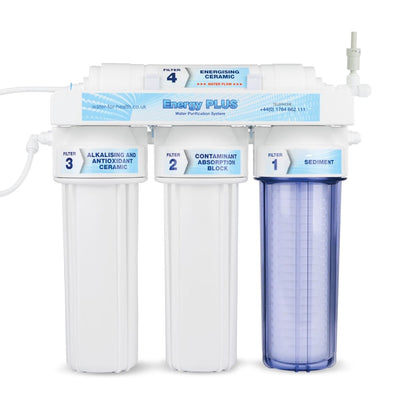
The Energy Plus Under Sink Water FilterOur flagship under-sink system delivers alkaline, hydrogen-rich filtered water straight from your tap through a unique 4-stage process. One of the most comprehensive drinking water filters available for UK homes. Shop the Energy Plus Filter |
The Practical Benefits of a Water Filter Tap

Energy Plus filtration performance: chlorine and heavy metals reduced by over 99%, fluoride by over 92%
Installing a water filter tap is not about dramatic changes. It is about small improvements that add up over time.
Better Taste and Smell
One of the first things people notice with filtered water is the difference in taste. Reducing chlorine often results in water that tastes fresher and cleaner.
This can make a noticeable difference to:
- Drinking water on its own
- Tea and coffee
- Cooking rice, pasta, and vegetables
- Homemade soups and sauces
When water tastes better, people often drink more of it, which supports everyday hydration without effort.
Peace of Mind for Daily Use
Filtered water offers reassurance for many households. While UK tap water is safe, filtering can help reduce exposure to substances that people prefer to avoid in their drinking water.
This is particularly valued by:
- Families with young children
- People with sensitive taste or smell
- Households in older properties
The key benefit here is confidence, not fear. Knowing your drinking water has been filtered at the point of use can feel like a sensible step rather than a reaction to risk.
Cost Savings Over Time
Many UK households still rely on bottled water for taste or convenience. Over time, this can be surprisingly expensive.
The table below shows a simple comparison for an average household.
| Option | Estimated Annual Cost | Notes |
|---|---|---|
| Bottled water | £300 to £500 | Depends on brand and usage |
| Water filter tap | £50 to £100 | Filter replacements included |
While exact costs vary, filtered tap water is often far more economical in the long term.
Reducing Plastic Waste
Single use plastic bottles have a clear environmental impact. Choosing filtered tap water can significantly reduce plastic consumption at home.
Benefits include:
- Fewer plastic bottles purchased
- Less waste sent to landfill or recycling
- Lower carbon footprint from transport and packaging
This makes a water filter tap a practical sustainability choice, not a lifestyle statement.
Limescale, Appliances, and Everyday Convenience

Hard water is a fact of life in many parts of the UK. While the minerals that cause hardness are not harmful, they can be inconvenient.
What Limescale Does in the Home
Limescale commonly affects:
- Kettles
- Coffee machines
- Steam ovens
- Saucepan interiors
Over time, this can lead to:
- Reduced appliance efficiency
- More frequent cleaning
- Shorter appliance lifespan
How Filtered Water Can Help
Some water filter systems are designed to reduce scale forming minerals in drinking water. While not a replacement for whole house water softening, they can help reduce visible limescale in kettles and improve the taste of hot drinks.
For many households, this means less descaling and better performing kitchen appliances.
Is a Water Filter Tap Right for Your Household?
A water filter tap is not a one size fits all solution. It suits some households particularly well.
You may find it especially useful if:
- You dislike the taste or smell of tap water
- You live in a hard water area
- You regularly buy bottled water
- You want a more sustainable option
- You prefer a fixed, low maintenance solution
Practical Considerations
Before installing a filter tap, it helps to consider:
- Available space under the sink
- Filter replacement schedule
- Whether you want a separate or integrated tap
Most modern systems are compact and designed for straightforward installation, either professionally or by a competent DIY installer.
Filter Taps Compared to Other Options
There are several ways to filter drinking water, each with advantages and limitations.
For many households, a water filter tap offers the best balance of convenience, performance, and value.
 |
Biocera Alkaline Water Filter JugA quality jug option that raises the pH of tap water using bioceramic minerals and filters chlorine. No installation required — a great starting point for filtered alkaline water at home. Shop the Biocera Jug |
Choosing a Quality Water Filter Tap
Not all water filter taps are the same. Choosing a well designed system makes a real difference to performance and reliability.
What to Look For
Key factors include:
- Clear information about what the filter is designed to reduce
- Build quality and durability
- Ease of filter replacement
- Availability of replacement cartridges
- Support from a specialist supplier
Why Expertise Matters
At Water for Health, we have specialised in water filtration for decades. Our approach focuses on education, transparency, and long term solutions that suit UK homes and water conditions.
Rather than overpromising, we believe in explaining what each system does clearly so customers can make informed choices that work for their household.
A Simple Change That Improves Everyday Life
A water filter tap is a small upgrade with wide reaching benefits. Better tasting water, reduced reliance on bottled water, fewer plastic bottles, and greater confidence in what you drink every day.
UK tap water is safe, but filtering it at the point of use can make it more enjoyable, more convenient, and better suited to modern living. For many households, it is one of the simplest ways to improve daily routines without complexity or disruption.
If you are considering a water filter tap, taking the time to understand your options is the best first step.
Explore Water for Health's range of water filter taps and find a solution designed for UK homes and everyday living.
Frequently Asked Questions About Water Filter Taps
What is a water filter tap?
A water filter tap is a kitchen tap that delivers filtered drinking water directly from the mains supply. It connects to a filtration system, usually installed under the sink, which treats the water just before it is used for drinking and food preparation. This helps improve taste and clarity while reducing certain unwanted substances.
Is UK tap water safe to drink without a filter?
Yes. UK tap water is strictly regulated and safe to drink. A water filter tap is not about making water safe, but about improving quality. Many people choose filtered water to improve taste, reduce chlorine odour, and enjoy greater confidence in their drinking water.
What does a water filter tap remove?
Depending on the filter used, a water filter tap can help reduce chlorine taste and smell, fine sediment and particles, and certain trace substances that affect water quality. Some filters are also designed to reduce limescale in hard water areas. It is always important to check what a specific filter is designed to address.
Does a water filter tap remove beneficial minerals?
Most water filter taps are designed to reduce unwanted substances while retaining naturally occurring minerals such as calcium and magnesium. These minerals contribute to the taste of water and are commonly present in UK tap water.
Is a filtered water tap better than a filter jug?
For many households, a filtered water tap is more convenient than a jug. A tap provides a constant supply of filtered water without refilling, takes up no fridge space, and is often more cost effective over time. Filter jugs can still be useful, but they require frequent refilling and filter changes.
Can a water filter tap help with limescale?
Some water filter systems are designed to reduce scale forming minerals in drinking water. This can help reduce limescale build up in kettles and improve the taste of hot drinks. A water filter tap is not a replacement for a full water softener, but it can make a noticeable difference in everyday kitchen use.
How often do water filter tap cartridges need replacing?
Filter replacement intervals vary depending on the system and how much water is used. Many cartridges are designed to last between three and six months. Replacing filters on time is important to maintain performance and water quality.
Are water filter taps expensive to run?
Running costs for a water filter tap are generally low. The main ongoing cost is replacing the filter cartridge. For households that currently buy bottled water, a water filter tap is often significantly cheaper over the course of a year.
Is installing a water filter tap complicated?
Most water filter taps are designed for straightforward installation under the kitchen sink. They can be installed by a plumber or a competent DIY installer. Many systems are compact and suitable for standard UK kitchen units.
Do water filter taps reduce plastic waste?
Yes. Using a water filter tap can significantly reduce the need for bottled water. This helps cut down on single use plastic and reduces the environmental impact associated with manufacturing and transporting bottled water.
What is the best water filter tap in the UK?
The best water filter tap is one that suits your household, water conditions, and usage. Factors to consider include filtration performance, ease of filter replacement, build quality, and long term support. Choosing a specialist supplier with experience in UK water conditions can make this process much easier.
Is a water filter tap suitable for renters?
In many cases, yes. Some water filter taps can be installed with minimal changes and removed when you move. It is always best to check your tenancy agreement and choose a system that suits your circumstances.
Ready to upgrade your everyday water? Explore our full range of water filter taps and water filter systems designed specifically for UK homes.
Browse Water Filter TapsFurther Reading
- Drinking Water 2024 (Report): A regulator overview of drinking water quality, testing and standards in England and Wales.
- Drinking Water Inspectorate (DWI): The official regulator site explaining how public drinking water is monitored and kept compliant.
- Plastic Pollution (UN Environment Programme): A practical explainer on plastic pollution and why reducing single use bottles matters.