


In today's fast-paced world, our bodies are constantly exposed to toxins from the environment, food, and lifestyle choices. More than what our bodies are originally used to. While our bodies have natural detoxification systems in place, they can become overwhelmed by the sheer volume of toxins we encounter daily in today's modern world filled with approximately 350,000 man-made chemicals from plastics to pesticides to industrial chemicals like flame retardants and insulators (1). This post aims to provide actionable tips for health enthusiasts, wellness seekers, and natural living advocates who wish to detox their bodies naturally and sustainably.

Understanding Detox
What is Detoxing?
Detoxing refers to the body's process of eliminating toxins, which are harmful substances that can negatively impact our health. Toxins can come from various sources, including pollution, processed foods, alcohol, and even stress. The liver, kidneys, skin, and lungs are the primary organs responsible for detoxification (2). The liver plays a crucial role in filtering toxins from the blood, while the kidneys help flush these substances out of the body through urine (3). The skin eliminates toxins through sweat, and the lungs expel them via exhalation.
At a Glance: Your Body's Four Detox Organs
- Liver — filters toxins from the blood and breaks them down for elimination
- Kidneys — flush waste products out of the body through urine
- Skin — eliminates toxins through sweat during exercise or heat exposure
- Lungs — expel volatile compounds and metabolic waste via exhalation
Natural vs. Fad Detoxes
Natural detoxes focus on supporting the body's inherent detoxification processes through dietary and lifestyle changes. This can include eating a balanced diet rich in fruits, vegetables, and whole grains, staying hydrated, getting regular exercise, and ensuring adequate sleep. In contrast, fad detoxes often involve extreme diets, supplements, or cleanses that promise quick results but may not be sustainable or safe in the long term. These fad methods can sometimes deprive the body of essential nutrients and lead to adverse side effects. Natural detox methods are gentler and promote overall well-being without the risks associated with fad detoxes. Maintaining a healthy lifestyle with natural detox practices can help improve energy levels, support immune function, and enhance overall health.
Natural Detox Methods
Dietary Changes
Foods that Promote Natural Detoxification
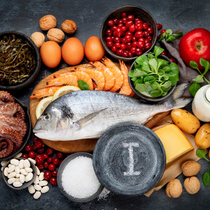
Incorporating certain foods into your diet can significantly enhance your body's detoxification capabilities. Some of these foods include:
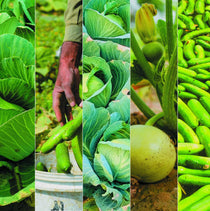
- Leafy Greens: Spinach, kale, and Swiss chard are rich in chlorophyll, which helps neutralise toxins (4).
- Citrus Fruits: Lemons, oranges, and grapefruits are high in Vitamin C, which supports liver detoxification (5).
- Garlic: This potent herb contains sulphur compounds that activate liver enzymes responsible for flushing out toxins (6).
- Green Tea: Packed with antioxidants, green tea aids in protecting the liver from toxic damage (7).
| Food / Nutrient | Key Compound | Detox Benefit |
|---|---|---|
| Leafy greens (spinach, kale) | Chlorophyll | Neutralises toxins in the digestive tract |
| Citrus fruits (lemon, orange) | Vitamin C | Supports liver detoxification enzymes |
| Garlic | Sulphur compounds | Activates liver enzymes that flush out toxins |
| Green tea | Antioxidants (catechins) | Protects the liver from toxic damage |
| Dandelion root & milk thistle tea | Silymarin / inulin | Supports liver function and overall hydration |
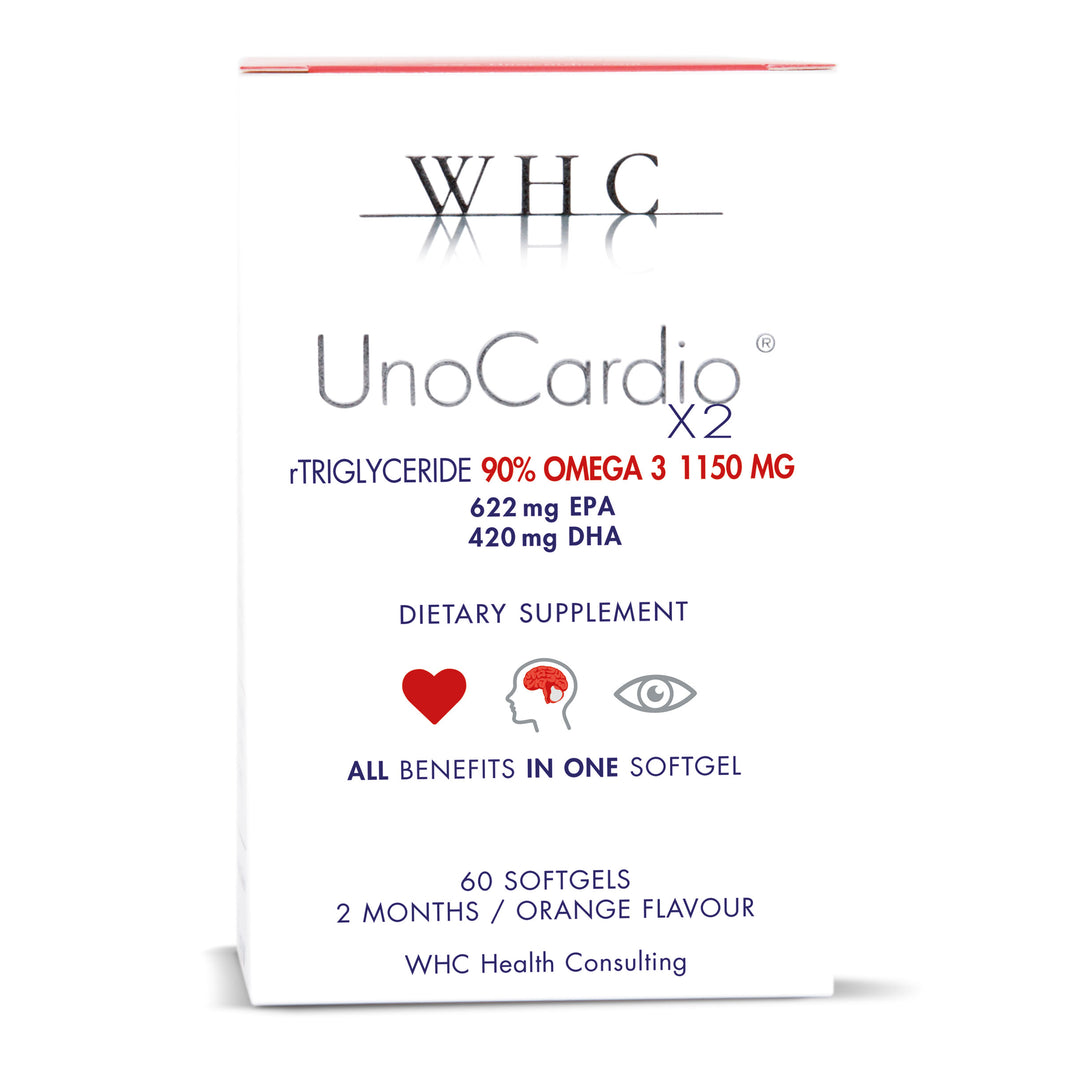
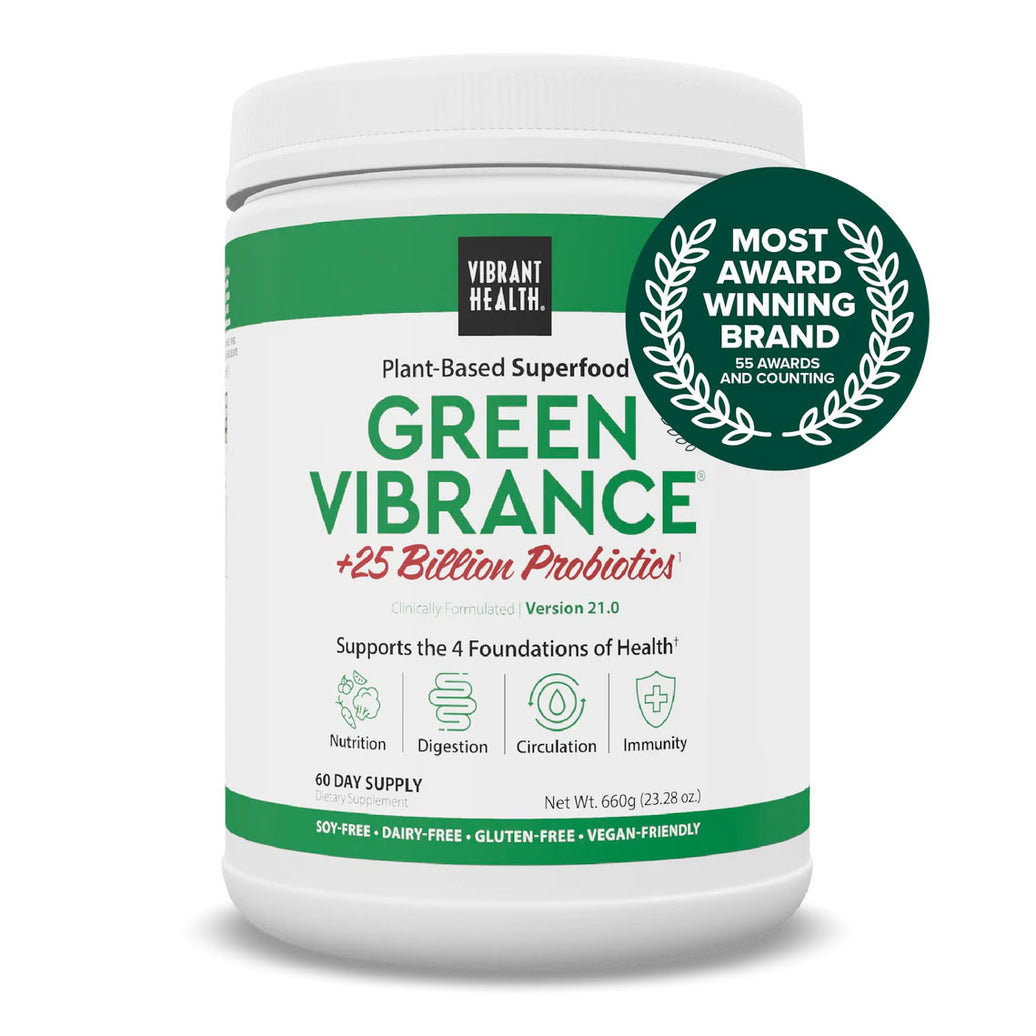
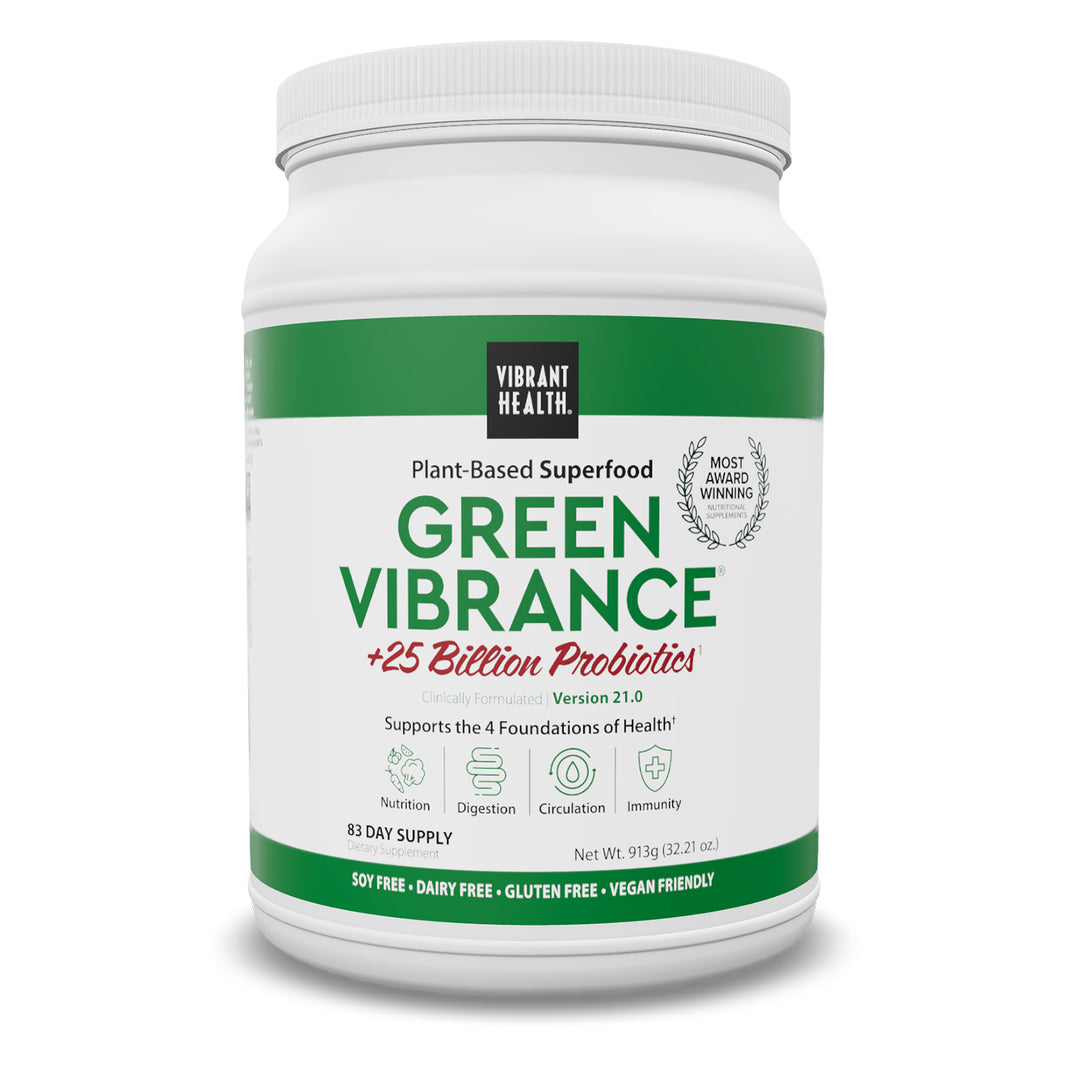
If you're looking to complement your diet with concentrated plant nutrition, our greens powder supplements are a convenient way to increase your daily intake of detox-supporting nutrients.
Hydration
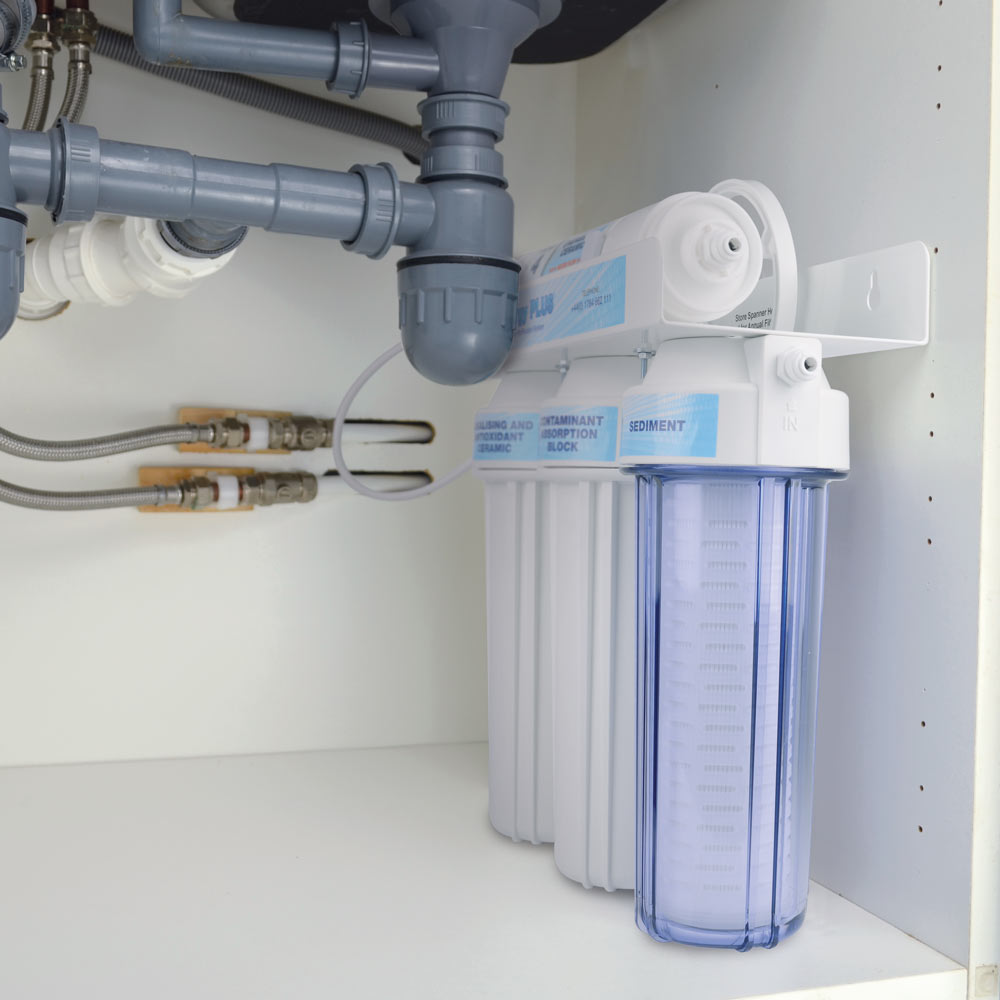
Water is essential for detoxification. It helps transport nutrients to cells and remove waste products. Aim to drink at between eight to twelve glasses of water a day to stay sufficiently hydrated. Herbal teas, such as dandelion root tea (8) and milk thistle tea (9), also support liver detoxification (9) and overall hydration. For optimal results, consider filtering your water — our water filter range removes chlorine, heavy metals, and other impurities that may add an unnecessary burden to your detox organs.

|
Featured Product
Biocera Alkaline Water Filter Jug Stay hydrated with cleaner, alkaline water every day. The Biocera Jug uses bioceramic minerals to raise the pH of your tap water, removing impurities and supporting your body's natural detox processes with every glass.
|
Exercise and Sweating
Physical activity promotes circulation and sweating, both of which are crucial for detoxification (10). Exercise increases blood flow, helping the liver and kidneys filter out toxins more efficiently (11). Sweating through activities like jogging, cycling, or using a sauna helps eliminate toxins through the skin (12).
Lifestyle Changes for Detox
Stress Management
Chronic stress can impair the body's ability to detoxify effectively. Incorporating stress-reducing practices such as yoga, deep breathing exercises, or spending time in nature can significantly improve detoxification (13). Techniques such as mindfulness and meditation can help manage stress levels, contributing to a healthier body and mind.
Sleep Hygiene
Quality sleep is essential for the body's detox processes. During sleep, the brain undergoes a cleansing process that removes toxins accumulated throughout the day (14). Aim for 7-9 hours of restful sleep each night by maintaining a consistent sleep schedule, avoiding caffeine before bedtime, and creating a relaxing nighttime routine.
Quick Wins: Simple Daily Habits to Support Natural Detox
- Start each morning with a large glass of filtered water before coffee or tea
- Add a handful of spinach or kale to one meal per day for a chlorophyll boost
- Aim for 30 minutes of movement daily to stimulate circulation and sweating
- Swap one caffeinated drink for dandelion root or milk thistle tea
- Set a consistent bedtime — your brain does its deepest cleansing while you sleep
- Try 10 minutes of mindfulness or deep breathing to reduce cortisol and support liver function
Detoxing the Mind
The Connection Between Mental Health and Physical Detox
Mental and physical health are deeply interconnected. Stress, anxiety, and negative emotions can manifest as physical symptoms and hinder detoxification. Conversely, a body burdened with toxins can affect mental clarity and mood (15).
Practices for Mental Detox
- Mindfulness and Meditation: These practices can help clear the mind, reduce stress, and improve focus. Studies have shown that regular meditation can lower cortisol levels, a hormone associated with stress (16).
- Journaling: Writing down thoughts and feelings can provide a mental cleanse and help process emotions.
- Digital Detox: Reducing screen time and taking breaks from social media can significantly improve mental well-being.
Long-Term Detox Strategies
Incorporating Natural Detox Practices
For sustainable health benefits, it's essential to integrate natural detox practices into your daily routine. Here are some strategies to consider:
- Balanced Diet: Maintain a diet rich in whole foods, including a variety of fruits, vegetables, lean proteins, and whole grains. These foods provide essential vitamins, minerals, and fibre that support your body's natural detox processes (17). Avoid processed foods and excessive sugar intake.
- Regular Exercise: Engage in physical activity for at least 30 minutes a day to promote circulation and sweating. Regular exercise helps your body expel toxins through sweat and enhances overall metabolic function (18). Activities like walking, jogging, yoga, or strength training can all be beneficial.
- Adequate Hydration: Ensure you drink enough water and herbal teas daily to support detoxification. Staying well-hydrated helps your kidneys filter out waste products and keeps your digestive system functioning smoothly (19). Herbal teas like green tea, dandelion, and ginger can offer additional detox benefits due to their antioxidant properties.
By incorporating these practices into your lifestyle, you can help your body naturally detoxify and maintain optimal health.

|
Featured Product
Liquid Chlorophyll Chlorophyll — the compound that makes leafy greens so powerful for detox — in a concentrated liquid form. Add a small amount to water or a smoothie each day to support toxin neutralisation and liver health from the inside out.
|
Natural Detoxification: Supporting Your Bodies Routes of Elimination
Natural detoxification is a vital aspect of maintaining overall health and well-being. It involves the removal of toxins from the body, which can accumulate due to various environmental factors and lifestyle choices. By incorporating dietary changes, such as increasing your intake of fruits, vegetables, and fibre-rich foods, staying hydrated with plenty of water, and reducing consumption of processed foods, you can enhance your body's ability to detoxify. Regular exercise, such as cardio and strength training, also plays a crucial role in promoting lymphatic drainage and sweating, which help eliminate toxins.
Managing stress through practices like meditation, mindfulness, and deep-breathing exercises can significantly impact your overall detox process by reducing the production of stress hormones that can impair your body's functions. Prioritising sleep is equally important, as quality rest allows your body to repair and rejuvenate, further supporting detoxification.
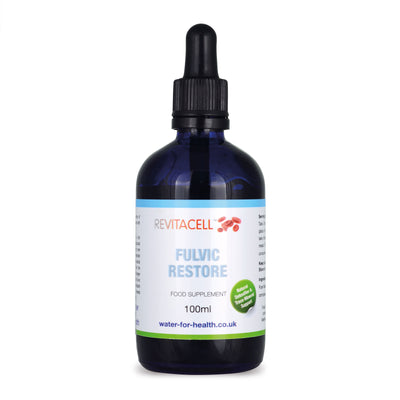
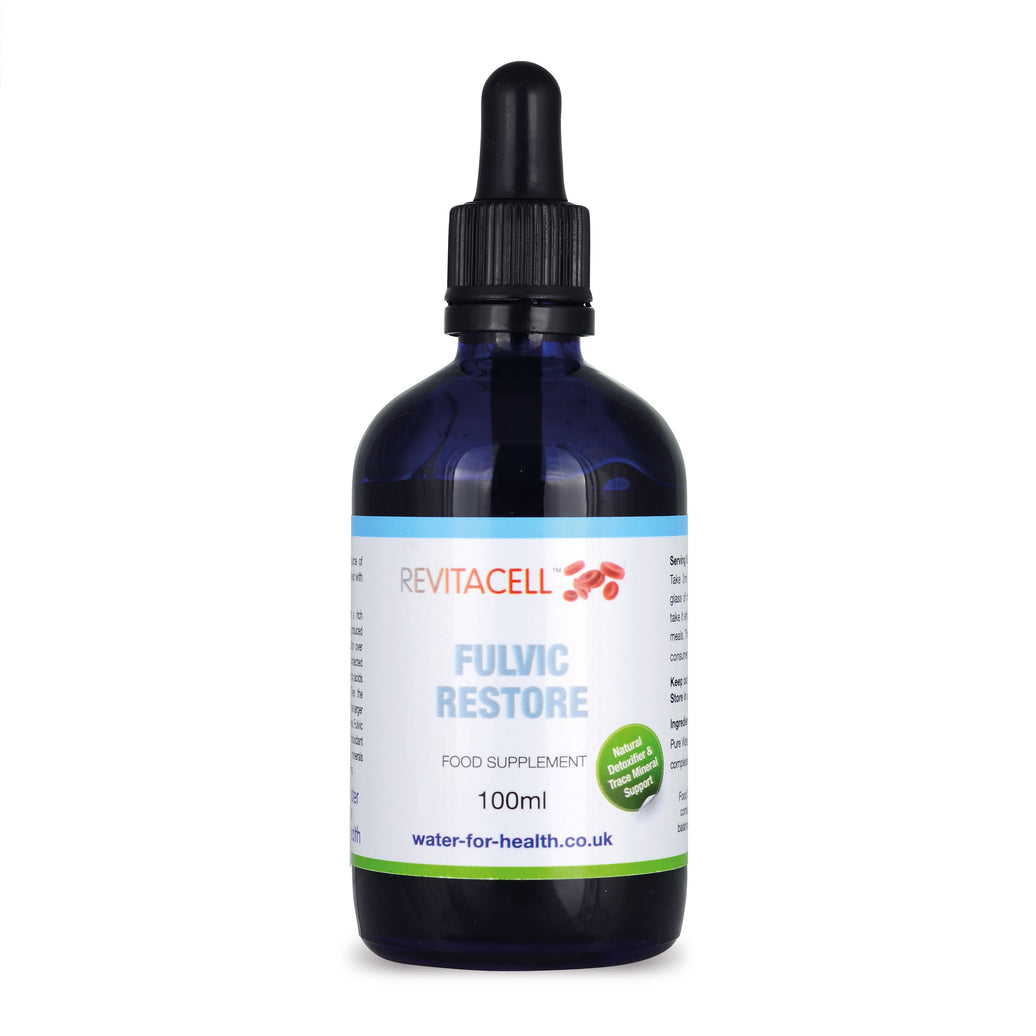
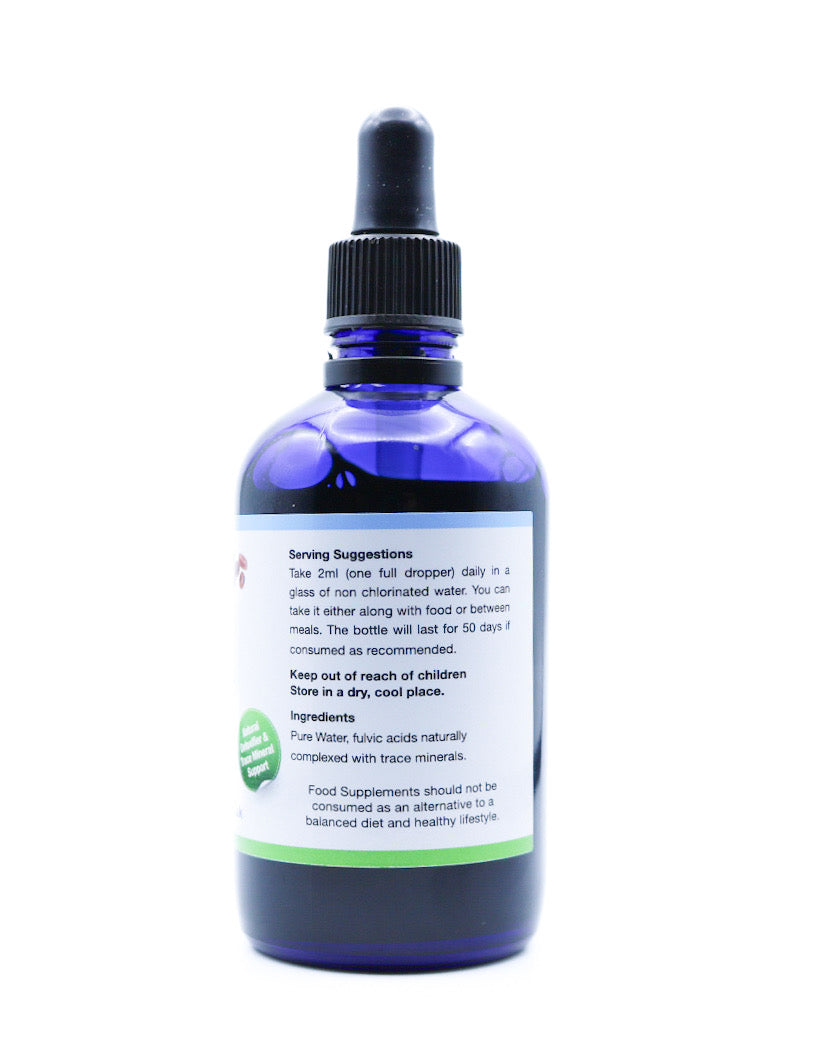
Remember that detoxing is a journey, not a destination. Embrace the tips provided, stay consistent, and share your experiences with others. Your body will thank you for it, and you will likely notice improvements in your energy levels, mental clarity, and overall vitality. For additional fulvic acid supplements that support mineral absorption and cellular detox, explore our dedicated range.

|
Featured Product
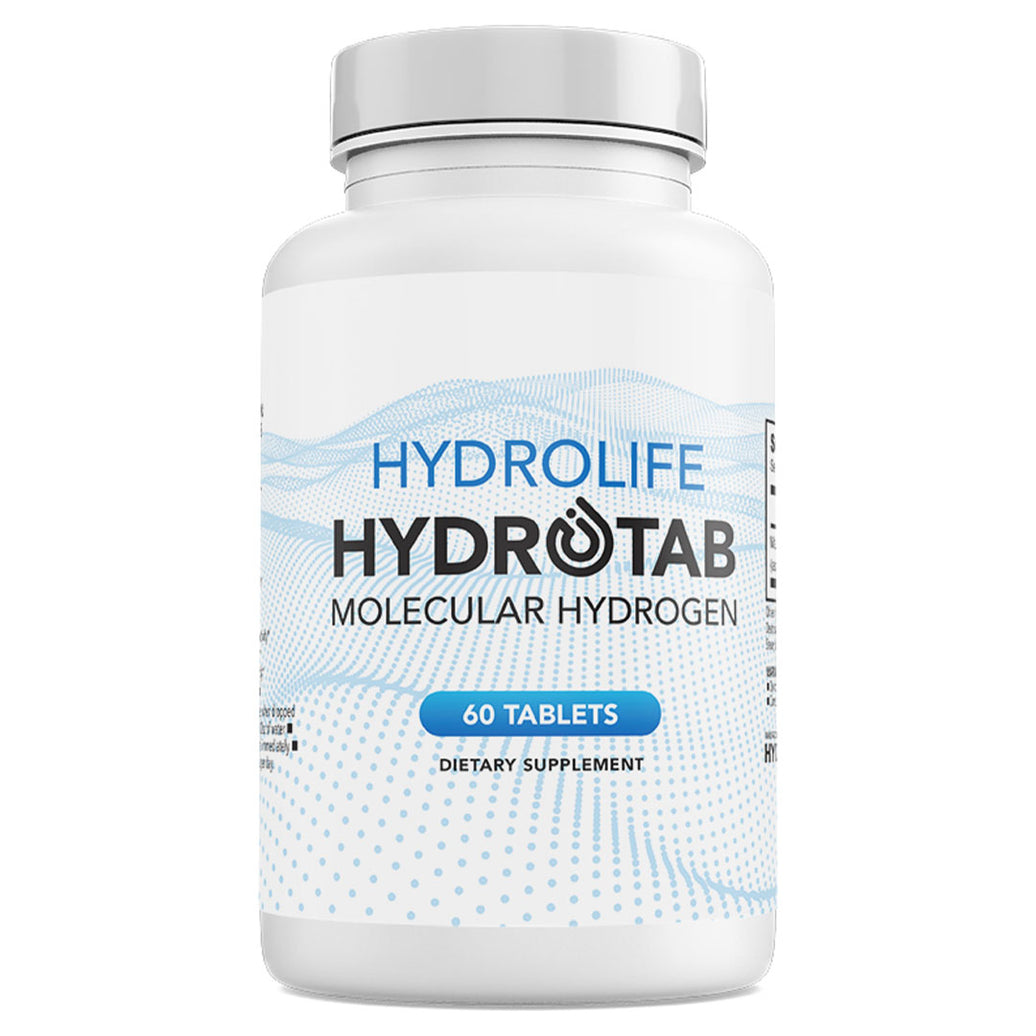
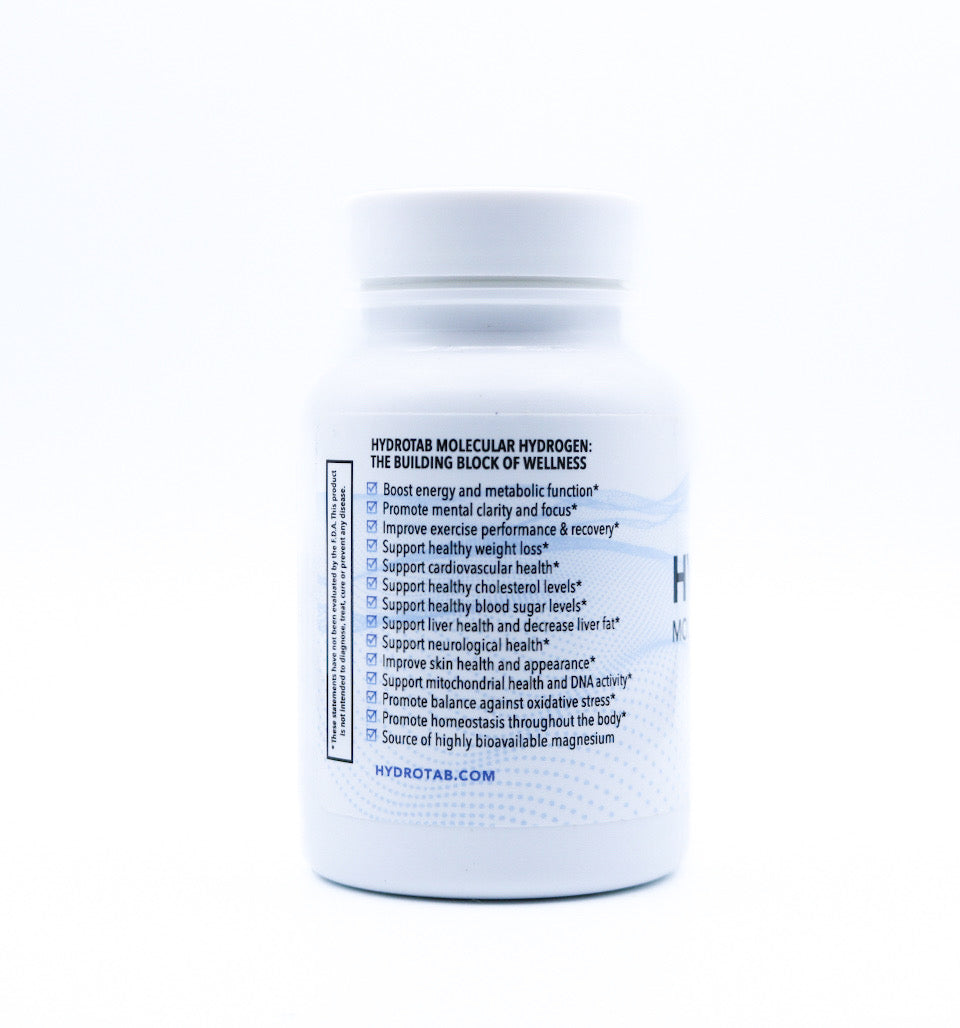
HydroTab Molecular Hydrogen Water Tablets HydroTab tablets dissolve in water to release molecular hydrogen gas — a selective antioxidant that combats oxidative stress and supports your body's natural recovery and detox processes at a cellular level.
|
Frequently Asked Questions
What is the best way to detox your body naturally?
Your body detoxifies itself constantly through the liver, kidneys, skin and lungs, so the most effective thing you can do is support those organs rather than override them. Eating plenty of vegetables, fruit and fibre, drinking enough water, getting regular exercise and sleeping well are the foundations. No special cleanse is needed. Consistency with these basics will do far more for your health than any short term protocol.
How much water should I drink to help with detoxification?
Most adults benefit from drinking roughly eight glasses of water per day, though your needs will vary depending on activity levels, body size and the weather. Your kidneys rely on adequate fluid intake to filter waste from the blood and excrete it in urine, so staying well hydrated genuinely makes a difference. Herbal teas such as dandelion root and milk thistle count towards your fluid intake and have traditionally been used to support liver health as well.
Does exercise help the body remove toxins?
It does, in a couple of ways. Exercise increases circulation, which helps the liver and kidneys process waste more efficiently. It also stimulates sweating, and published research has found that metals such as lead, cadmium and arsenic are present in sweat, suggesting the skin plays a genuine role in elimination. Thirty minutes of moderate activity most days is a reasonable goal and enough to make a meaningful contribution to your overall health.
Are detox diets and juice cleanses worth trying?
There is no good scientific evidence that commercial detox diets or juice cleanses remove toxins from the body in any meaningful way beyond what your liver and kidneys do naturally. Many of these programmes are very low in protein, which your liver actually needs to carry out detoxification reactions. Eating a varied, whole food diet over time is considerably more effective and far less likely to leave you feeling depleted or hungry.
Can stress interfere with the body's ability to detoxify?
Ongoing stress raises cortisol levels, and elevated cortisol has been shown to reduce the activity of certain liver enzymes involved in processing toxins and hormones. It can also disrupt sleep, which is when the brain clears its own metabolic waste through the glymphatic system. Managing stress through regular movement, time outdoors, adequate rest and whatever genuinely helps you unwind is therefore a meaningful part of supporting your body's detox capacity.
Which foods are particularly good for the liver?
The liver carries out hundreds of metabolic processes and responds well to a diet that is varied and not overly processed. Foods that are well supported by research include cruciferous vegetables such as broccoli and Brussels sprouts, which stimulate detoxification enzymes, garlic, which contains sulphur compounds that assist liver function, and green tea, which is rich in catechins that have been shown to protect liver cells. Keeping alcohol intake low and avoiding excess sugar and refined carbohydrates also reduces the burden placed on the liver considerably.
Why does sleep matter for detoxification?
During sleep the brain activates the glymphatic system, a waste clearance network that flushes out metabolic byproducts including proteins linked to neurological conditions. This process is far less active during waking hours, which is why poor or insufficient sleep has been associated with a build up of these compounds over time. Most adults need between seven and nine hours to allow this process to complete properly. Going to bed and waking at consistent times makes the biggest practical difference to sleep quality.
Ready to give your body the support it needs? Explore the products featured in this article — or browse the full Water for Health store for your next step towards natural, sustainable health.
Shop Biocera Jug Shop Liquid Chlorophyll Shop HydroTabReferences
- "There Are More than 350,000 Commercial Chemicals in Circulation and They Will Undoubtedly End up in the Environment." University of Plymouth, www.plymouth.ac.uk/research/plymouth-pioneers/professor-awadhesh-jha/academic-spotlight. Accessed 30 May 2024.
- "ORGAN SYSTEMS: DETOXIfication." PEER Program (Youth STEM Promotion), vetmed.tamu.edu/peer/detoxification/.
- NCBI. "How Does the Liver Work?" Nih.gov, Institute for Quality and Efficiency in Health Care (IQWiG), 22 Aug. 2016, www.ncbi.nlm.nih.gov/books/NBK279393/.
- Martins, T., Barros, A. N., Rosa, E., & Antunes, L. (2023). Enhancing Health Benefits through Chlorophylls and Chlorophyll-Rich Agro-Food: A Comprehensive Review. Molecules (Basel, Switzerland), 28(14), 5344. https://doi.org/10.3390/molecules28145344
- Lv, X., et al. (2015). Citrus fruits as a treasure trove of active natural metabolites that potentially provide benefits for human health. Chemistry Central journal, 9, 68. https://doi.org/10.1186/s13065-015-0145-9
- Bayan, L., Koulivand, P. H., & Gorji, A. (2014). Garlic: a review of potential therapeutic effects. Avicenna journal of phytomedicine, 4(1), 1–14.
- Chacko, S. M., et al. (2010). Beneficial effects of green tea: a literature review. Chinese medicine, 5, 13. https://doi.org/10.1186/1749-8546-5-13
- "Dandelion Tea: What It Is and 5 Benefits." Cleveland Clinic, health.clevelandclinic.org/dandelion-tea-benefits.
- Milk Thistle: Effects on Liver Disease and Cirrhosis and Clinical Adverse Effects: Summary. Agency for Healthcare Research and Quality (US), 2000, www.ncbi.nlm.nih.gov/books/NBK11896/.
- Mahlouji, M., et al. (2020). Sweating as a Preventive Care and Treatment Strategy in Traditional Persian Medicine. Galen medical journal, 9, e2003. https://doi.org/10.31661/gmj.v9i0.2003
- Arazi, H., et al. (2022). Effects of Different Types of Exercise on Kidney Diseases. Sports (Basel, Switzerland), 10(3), 42. https://doi.org/10.3390/sports10030042
- Sears, M. E., Kerr, K. J., & Bray, R. I. (2012). Arsenic, cadmium, lead, and mercury in sweat: a systematic review. Journal of environmental and public health, 2012, 184745. https://doi.org/10.1155/2012/184745
- Bentley, T. G. K., et al. (2023). Breathing Practices for Stress and Anxiety Reduction. Brain sciences, 13(12), 1612. https://doi.org/10.3390/brainsci13121612
- Eugene, A. R., & Masiak, J. (2015). The Neuroprotective Aspects of Sleep. MEDtube science, 3(1), 35–40.
- Genuis, Stephen J. "Toxic Causes of Mental Illness Are Overlooked." NeuroToxicology, vol. 29, no. 6, Nov. 2008, pp. 1147–1149.
- "Mindfulness from Meditation Associated with Lower Stress Hormone." UC Davis, 27 Mar. 2013, www.ucdavis.edu/news/mindfulness-meditation-associated-lower-stress-hormone.
- Esquivel M. K. (2022). Nutrition Benefits and Considerations for Whole Foods Plant-Based Eating Patterns. American journal of lifestyle medicine, 16(3), 284–290.
- Kuan, W. H., Chen, Y. L., & Liu, C. L. (2022). Excretion of Ni, Pb, Cu, As, and Hg in Sweat under Two Sweating Conditions. International journal of environmental research and public health, 19(7), 4323. https://doi.org/10.3390/ijerph19074323
- Mel, Elena. "The Importance of Water for Healthy Kidney Function." Katelaris Urology, 9 May 2024. Accessed 30 May 2024.