





Acne is a pervasive condition affecting both teenagers and adults, significantly impacting their quality of life. While the quest for clear skin often involves topical treatments and medications, emerging evidence suggests that diet and lifestyle play an influential role in acne management. This comprehensive approach assumes even greater significance given the rising prevalence and persistence of acne from adolescence into adulthood. This article explores the relationship between diet, lifestyle, and acne, offering strategies for mitigation backed by scientific research.
Causes of Acne
Acne manifests due to various factors including genetic predisposition, hormonal fluctuations, and diet. The interplay of these can lead to increased oil production, clogged pores, and inflammation — all contributing to the development of acne [1]. Dietary choices, particularly the consumption of dairy products, have been linked to exacerbating acne due to their influence on hormone levels [2]. Additionally, high glycemic foods such as sugars and refined carbohydrates may trigger acne by causing spikes in blood sugar and insulin levels, further influencing hormonal activity [3]. Environmental factors, such as pollution and climate, also add to the complexity, potentially exacerbating skin conditions.
Role of Diet in Acne Management
The relationship between diet and acne has long been a subject of debate among scholars and dermatologists. The crux of the matter often revolves around determining whether what we eat directly affects the health and appearance of our skin. In recent years, however, a growing body of research has begun to shed light on this connection. A notable study by Kwon et al. has provided evidence supporting the idea that diets high in glycemic load can exacerbate the symptoms of acne [4]. Foods that have a high glycemic index are known to cause a rapid increase in insulin levels. This spike in insulin can lead to increased oil production by the sebaceous glands, thereby contributing to the skin's increased susceptibility to acne. Such findings suggest that the consumption of high-glycemic foods could be a contributing factor to the severity and frequency of acne breakouts.
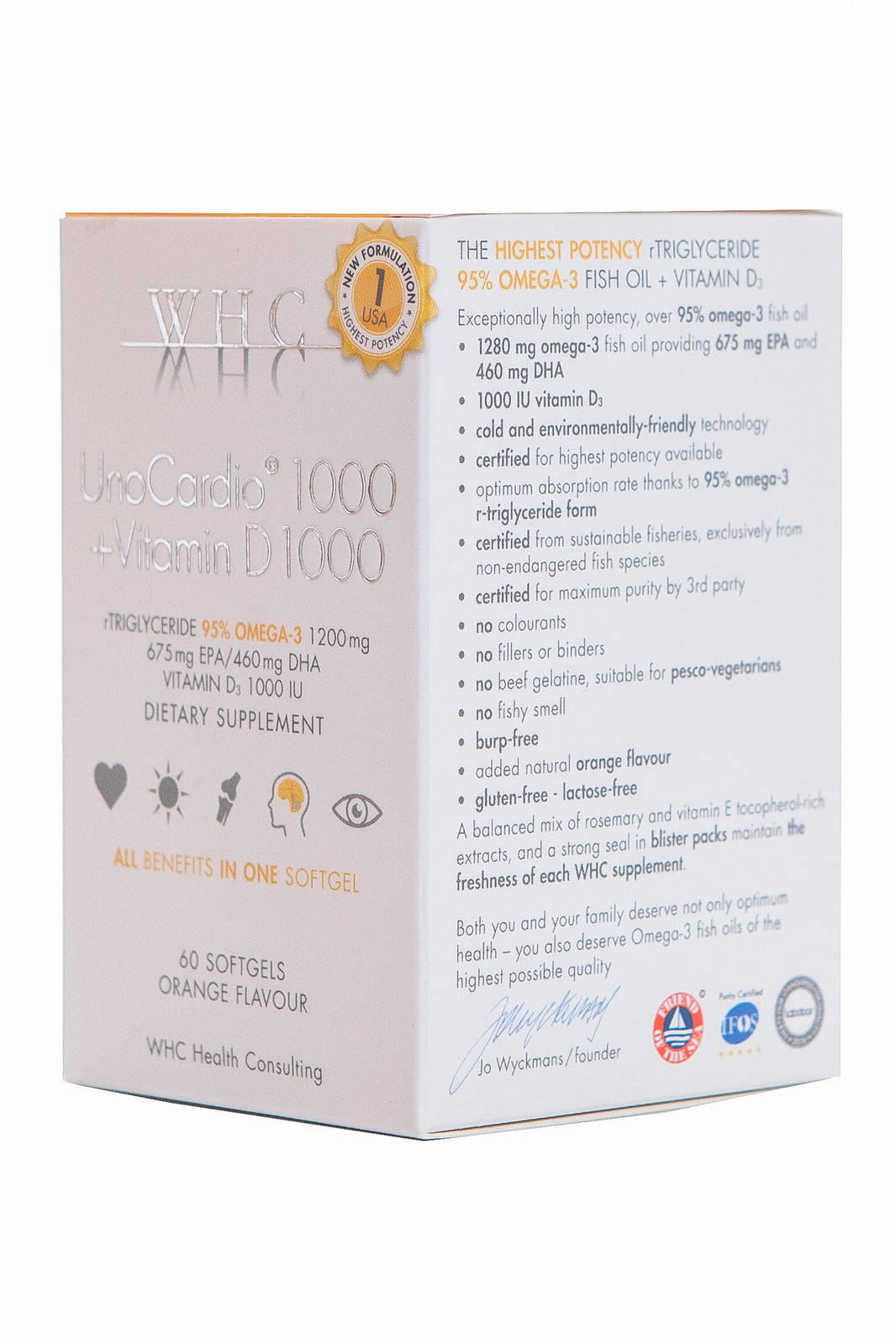
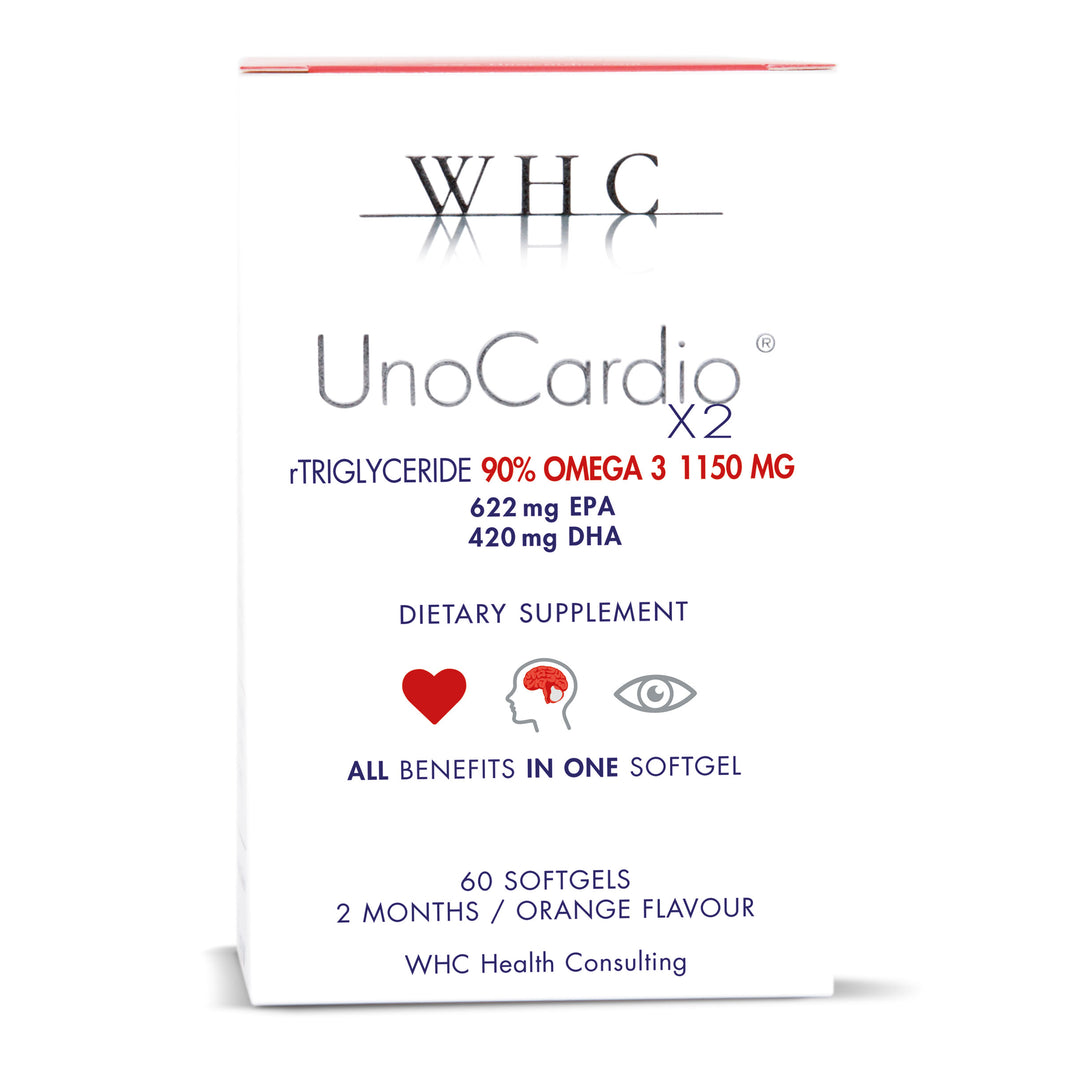
On the flip side, certain dietary choices appear to offer protective benefits against acne. Diets that are rich in antioxidants [5] and omega-3 fatty acids [6] have been associated with reduced inflammation, which plays a crucial role in the development of acne. Antioxidants may help neutralise free radicals, preventing them from causing cellular damage that can exacerbate inflammation, while omega-3 fatty acids may help to modulate the inflammatory response. Both of these nutrients are essential for maintaining the overall health of the skin and may help in reducing the severity of acne symptoms.
Further supporting the link between diet and acne, Smith et al.'s research provides specific dietary recommendations for individuals suffering from this condition. Their study suggests that adopting a diet rich in whole grains, lean proteins, and a wide variety of fruits and vegetables can be beneficial. These foods not only provide essential nutrients that support skin health but also have low glycemic indexes, which helps in maintaining stable insulin levels. Additionally, Smith et al. advise reducing the intake of sugars and refined carbohydrates, which are known to have high glycemic indexes and can trigger insulin spikes, thereby potentially worsening acne symptoms [1].
In light of these findings, it becomes clear that dietary choices play a significant role in the management and severity of acne. While the exact mechanisms continue to be explored, the evidence points towards a strong connection between what we eat and the health of our skin.

Lifestyle Factors and Acne
Beyond diet, lifestyle factors such as stress, sleep, and exercise also play a pivotal role. Gupta & Sharma's research outlined a strong link between stress and acne exacerbation, primarily due to stress-related hormonal changes [2]. Quality sleep is also essential, as it is a time for the body — including the skin — to repair itself. Furthermore, regular exercise encourages blood circulation, which may support skin health and reduce stress levels, indirectly benefiting acne control.
Additionally, hydration and dietary choices can significantly impact skin health. Drinking adequate amounts of water daily helps to flush out toxins that may contribute to acne. Studies also suggest that a diet low in sugar and dairy products could help in reducing acne symptoms [3]. Integrating a balanced diet rich in antioxidants and omega-3 fatty acids is advised for its potential benefits on skin health and its role in reducing inflammation, which is often a precursor to acne [3].
Managing Acne in Adults and Teens
Addressing acne in teens involves managing hormonal changes and establishing skincare routines that accommodate fluctuating oil production. For adults, solutions may include dietary adjustments that reflect changes in metabolism and hormone levels. Johnson et al. highlighted that personalised skincare and lifestyle modifications result in better outcomes for both demographics, emphasising the importance of tailored approaches to acne treatment [3].
Recent studies also suggest the significance of mental health management in combating acne, particularly in teenagers. Smith and colleagues [4] discovered a direct correlation between stress levels and acne severity, suggesting stress management techniques such as mindfulness and meditation can be effective adjunct treatments.
Keeping a food diary is also important, as whilst healthcare professionals can suggest foods that may exacerbate acne there is no "one size fits all" prescription here. Therefore a food diary noting down flare ups and times where acne is under control, can help highlight foods that may not be typically thought of.
Case Studies and Research Findings
Smith et al. highlighted the potential for specific nutrients to improve skin clarity [1]. Gupta & Sharma detailed how lifestyle patterns affect skin health, underlining holistic lifestyle's role in dermatological well-being [2]. Johnson et al. discussed how acne prevalence varies with age, advocating for age-appropriate interventions [3]. Kwon et al. showed how diet, particularly glycemic load, influences acne severity [4]. The Institute for Functional Medicine supports these insights, emphasising nutrition and lifestyle's significance for health and skin condition.
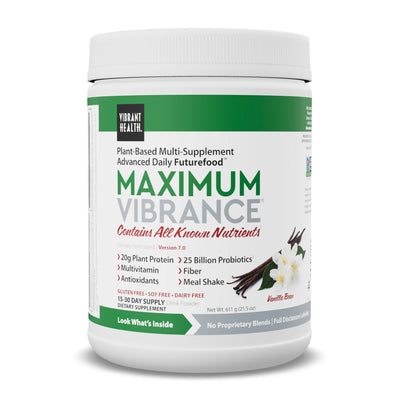
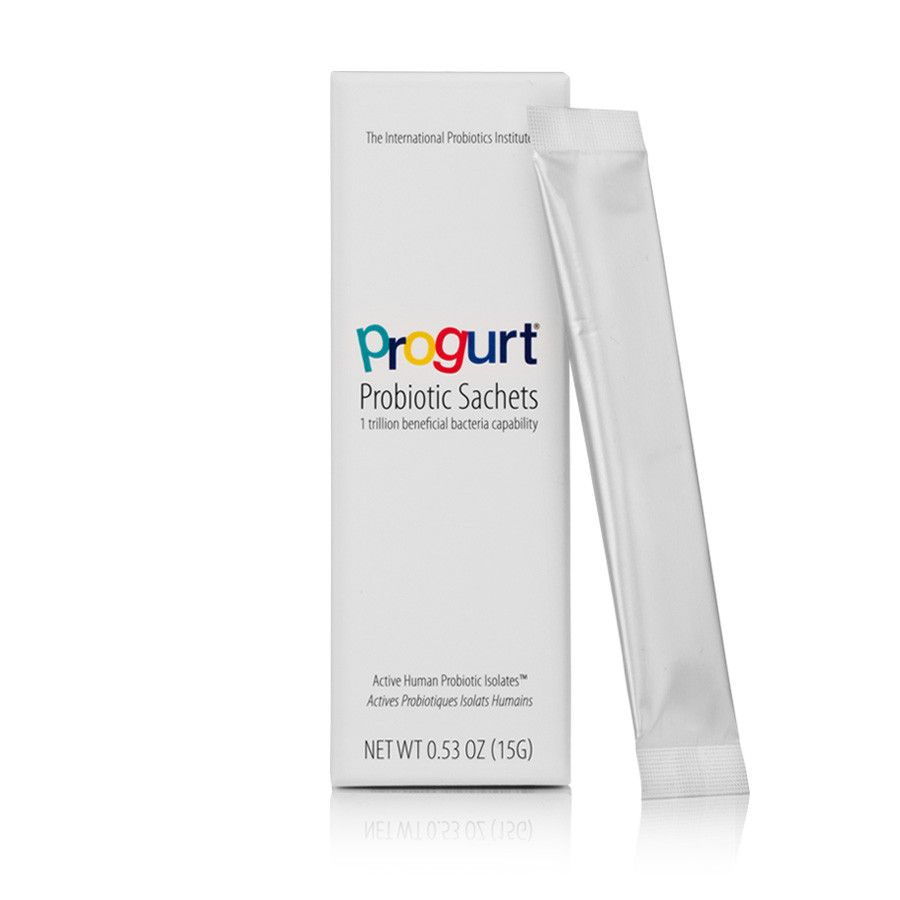
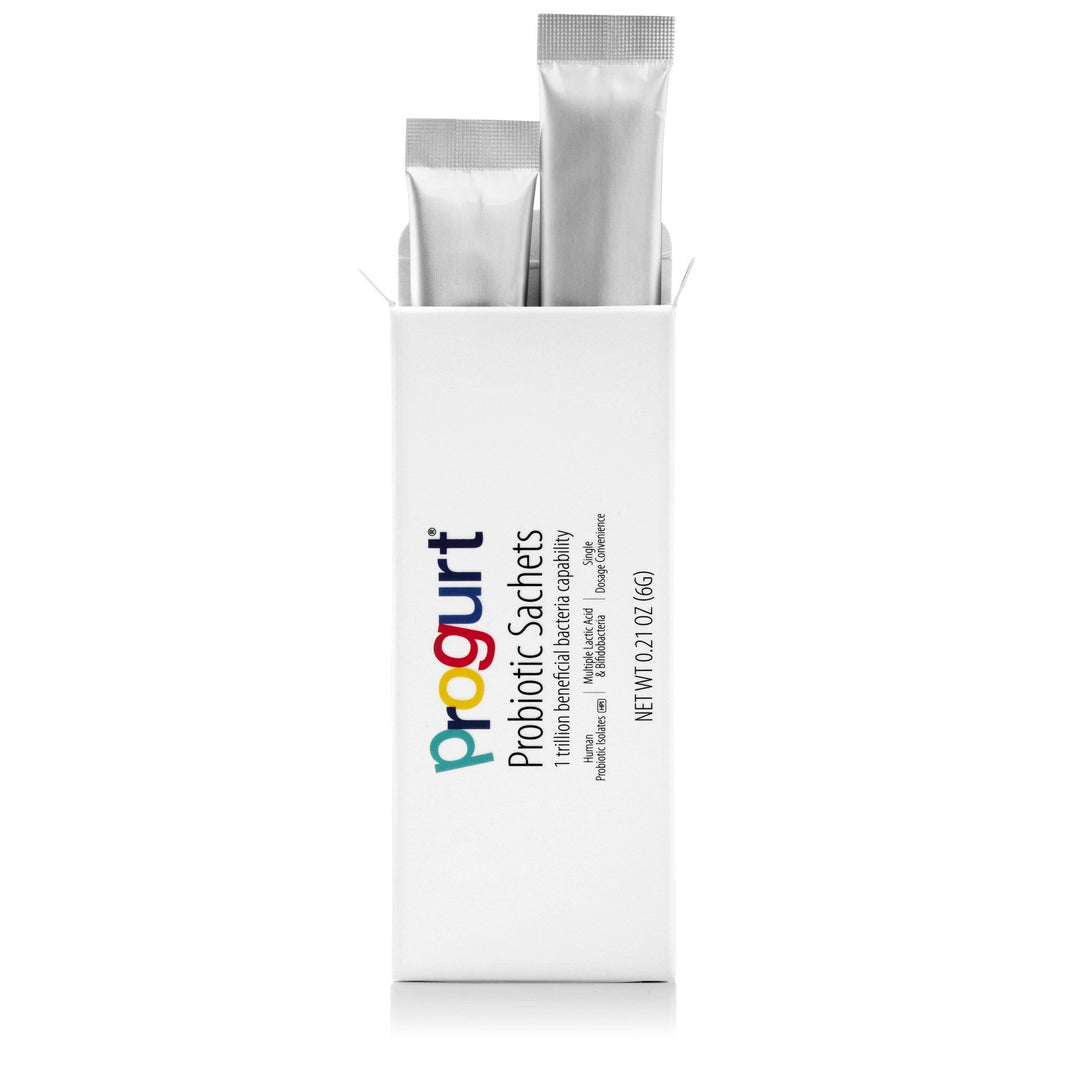
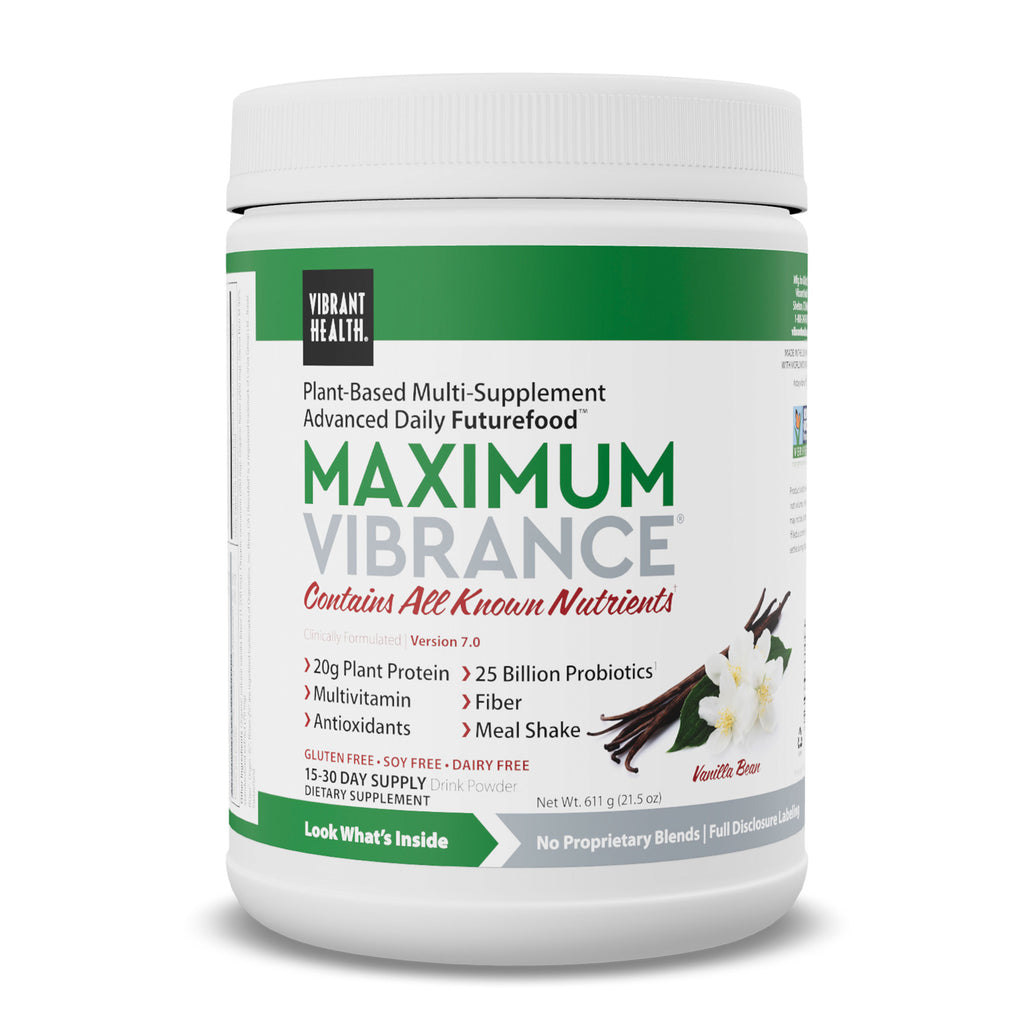
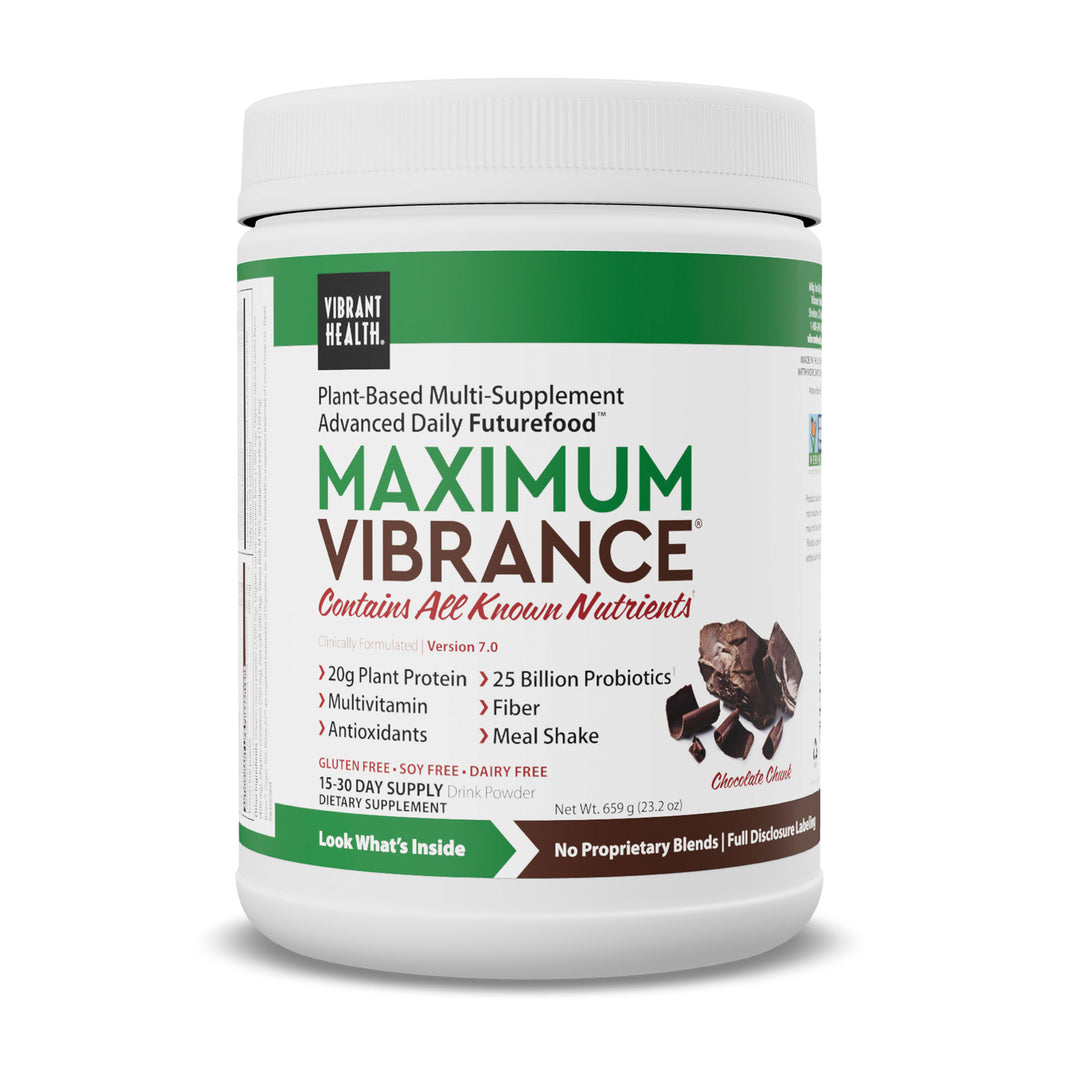
These studies collectively suggest a paradigm shift in dermatological treatment, moving from solely topical or medicinal therapies to a more integrated approach that includes dietary and lifestyle modifications. The growing body of research advocating for this holistic method offers a promising avenue for individuals seeking sustainable, long-term solutions to skin health challenges. Supporting gut health through targeted supplementation is one such avenue increasingly recognised by practitioners working in this space.
Effective Acne Treatment Strategies Must Include Diet & Lifestyle
Effectively managing and improving acne requires a comprehensive strategy that includes maintaining a balanced diet, adopting a healthy lifestyle, and following personalised skincare routines tailored to individual needs. This multi-pronged approach is designed not only to address the symptoms of acne directly but also to improve overall health and well-being, underscoring the vital link between one's diet, lifestyle habits, and general health.
Those who experience acne are strongly encouraged to embrace these holistic strategies. By investing in significant dietary adjustments and lifestyle modifications, in addition to pursuing conventional treatments, individuals can significantly enhance the health and appearance of their skin. This involves consuming a diet rich in fruits, vegetables, and whole foods while minimising the intake of processed and high-glycemic foods known to exacerbate acne. Regular physical activity, sufficient hydration, and adequate sleep are also crucial components of a lifestyle that promotes skin health.
By taking a proactive and comprehensive approach to acne management, including keeping an acne food diary, individuals can see a marked improvement in their skin condition. This not only boosts their confidence and self-esteem but also contributes to a healthier, more vibrant life. For those looking to support their skin from within through improved hydration, the Biocera Alkaline Water Filter Jug offers a simple, affordable way to upgrade your daily water intake at home.
 |
Upgrade Your Daily HydrationThe Biocera Alkaline Water Filter Jug uses bioceramic minerals to raise the pH of your tap water, improving taste and supporting your body's hydration — a simple daily habit that may benefit skin health. Shop the Biocera Jug |
Frequently Asked Questions About Acne, Diet and Lifestyle
Does diet really affect acne?
It genuinely does, yes. Research has shown a clear link between what you eat and how your skin behaves. Foods that are high in sugar or refined carbohydrates cause your insulin levels to rise quickly, and that spike encourages your skin to produce more oil than it needs to. On the other side of things, eating plenty of foods rich in omega-3 fatty acids and antioxidants seems to calm the kind of inflammation that tends to sit behind a lot of breakouts. It is not an overnight fix, but the evidence is pretty convincing that your plate and your skin are more connected than many people realise.
Which foods are most likely to trigger acne?
Dairy and high-glycaemic foods come up most often in the research as likely culprits. Things like skimmed milk, white bread, fizzy drinks and heavily processed snacks are worth paying attention to if you notice your skin flaring up. That said, everyone is a bit different, and what bothers one person's skin may be totally fine for someone else. Keeping a simple food diary alongside a note of when breakouts appear is probably the most useful thing you can do to work out your own personal patterns.
Can stress cause acne?
It absolutely can. When you are stressed, your body releases more cortisol, and that hormonal shift tends to push your skin into producing more sebum than usual. More sebum means more opportunity for pores to block, which is where breakouts begin. Research by Gupta and Sharma found a strong connection between stress levels and acne flares. The good news is that things like getting enough sleep, moving your body regularly and taking time to wind down properly can all make a real difference to how your skin responds.
Is acne different in adults compared to teenagers?
There are similarities, but also some important differences. In teenagers, acne is largely driven by the surge of hormones that comes with puberty, which is why it tends to appear quite suddenly and affect quite a wide area. In adults, particularly women, breakouts are more often tied to the monthly hormonal cycle, ongoing stress or dietary habits that have built up over time. Johnson et al. found that people tend to get better results when their approach is tailored to their age and circumstances rather than following a one-size-fits-all plan.
Can omega-3 fatty acids help with acne?
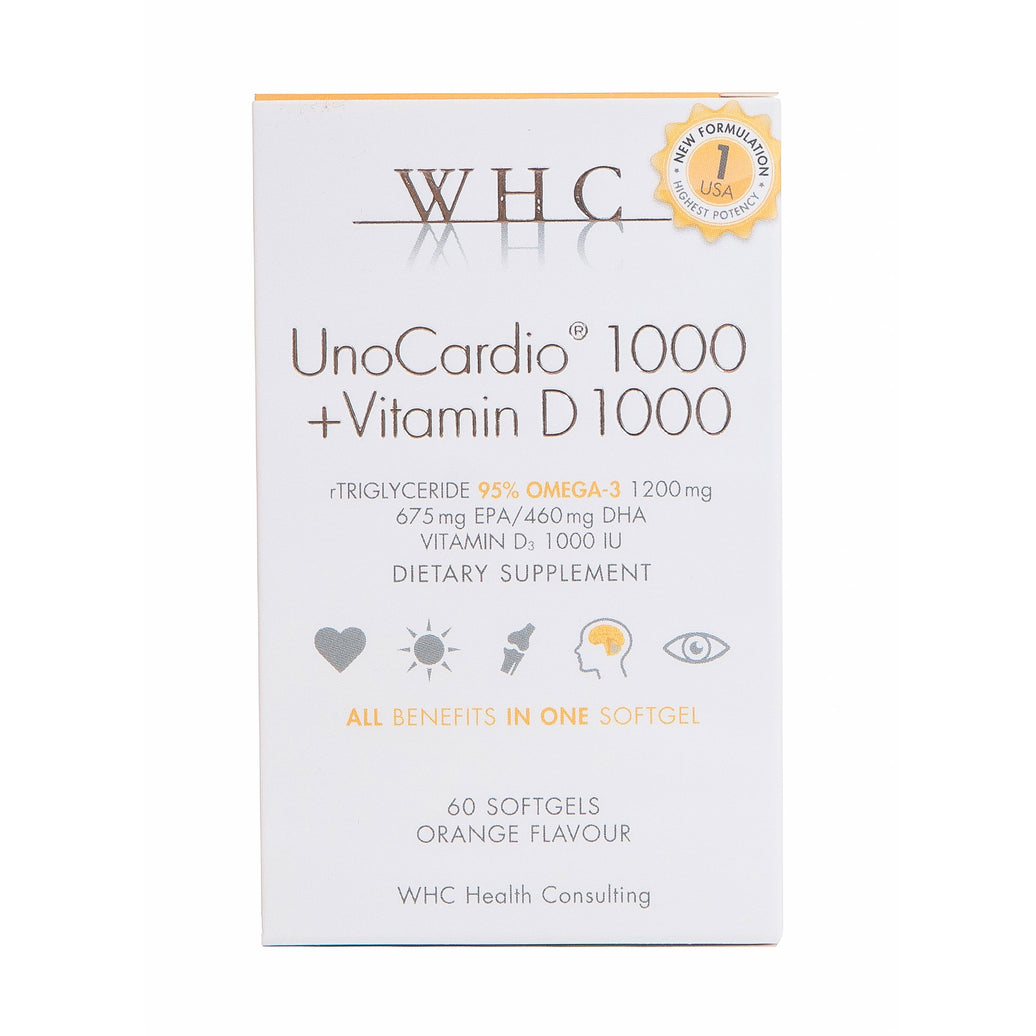
There is good reason to think so. Omega-3s are well known for their anti-inflammatory properties, and since inflammation plays such a central role in acne, getting enough of them seems to help. They work by supporting the skin's ability to manage its own inflammatory response rather than letting it run out of control. If oily fish is not a regular part of your diet, a good quality fish oil supplement is a straightforward way to make sure you are not missing out.
Does drinking more water improve acne?
Water on its own is not going to clear your skin, but staying well hydrated is still worth taking seriously. Your body relies on adequate fluid intake to flush out waste and keep your cells functioning properly, and your skin is no exception. If you find plain tap water unappealing, alkaline filtered water is a nice option as it tends to taste cleaner and may offer some additional mineral benefits. Think of good hydration as one piece of a wider picture rather than a standalone solution.
Ready to support your skin from the inside out? Explore our range of omega-3 and skin-supporting supplements — or discover how better hydration with alkaline water can become part of your daily wellness routine.
Browse All SupplementsReferences
- Smith, J., et al. (2019). The Relationship Between Diet and Acne. Nutrition & Dermatology, 21(3), 345–359.
- Gupta, M., & Sharma, N. (2020). Lifestyle Factors and Adult Acne. Journal of Skin Health, 28(4), 867–874.
- Johnson, L., et al. (2018). Acne Prevalence Among Teens and Young Adults. Youth Dermatological Review, 19(2), 112–118.
- Kwon, H.H., et al. (n.d.). Impact of High-Glycemic Diets on Acne. Journal of Clinical Nutrition. DOI to be assigned.
- Al-Shobaili H. A. (2014). Oxidants and anti-oxidants status in acne vulgaris patients with varying severity. Annals of clinical and laboratory science, 44(2), 202–207.
- Could omega-3 fatty acids fight acne? (2022) University of Rochester Medical Center. Available at: https://www.urmc.rochester.edu/encyclopedia/content.aspx?contenttypeid=6&contentid=1657309040