




The thyroid gland may be small, but its influence on our health is immense. Nestled in the neck, this butterfly-shaped organ plays a pivotal role in regulating metabolism, hormones, digestion, and even brain function. When the thyroid falters, the effects can be debilitating, leading to a range of disorders that impact millions of people globally. In particular, the relationship between iodine and thyroid health is crucial yet often overlooked.
The Role of the Thyroid Gland
The thyroid is a crucial component of the body’s endocrine system, playing a vital role in synthesising hormones that regulate a wide array of bodily functions (1). This butterfly-shaped gland, located in the neck, produces two primary hormones: triiodothyronine (T3) and thyroxine (T4). These hormones are key players in regulating metabolism, energy levels, and overall growth and development. T3 is the more active hormone, while T4 serves as a precursor that the body can convert into T3 as needed.
A properly functioning thyroid is essential for maintaining homeostasis in our bodies, ensuring that energy production, temperature regulation, and even heart rate remain balanced (2). Any dysfunction in thyroid hormone production can lead to significant health issues, such as hypothyroidism or hyperthyroidism, affecting everything from weight to mood (3). Understanding the thyroid’s role highlights the importance of regular health check-ups to monitor its function and maintain overall well-being.
The Importance of Iodine
Iodine is an essential micronutrient that plays a crucial role in the production of thyroid hormones (4), which are vital for regulating metabolism, growth, and development in the body. This trace element is particularly important for pregnant women and young children, as sufficient iodine levels are necessary for proper cognitive development and overall health. Without adequate iodine, the thyroid gland cannot effectively synthesise the hormones T3 (triiodothyronine) and T4 (thyroxine), leading to potential dysfunction in the body’s systems.
A deficiency in iodine can result in a variety of thyroid-related issues, including (5):
- Goitre: An enlargement of the thyroid gland caused by the gland’s attempt to compensate for low hormone production due to insufficient iodine. This condition can lead to visible swelling in the neck and may cause difficulty swallowing or breathing in severe cases.
- Hypothyroidism: A condition where the thyroid fails to produce enough hormones, which can lead to symptoms such as fatigue, weight gain, cold intolerance, dry skin, and depression. Long-term untreated hypothyroidism can result in more severe health complications, including heart disease and infertility.
Ensuring adequate iodine intake through diet or supplements is vital for maintaining thyroid health and preventing these issues. Foods rich in iodine include fish, dairy products, iodised salt, and certain vegetables, making it important to include these in a balanced diet.
Risks of Iodine Deficiency
Globally, iodine deficiency remains a significant public health issue, particularly in regions where iodine levels in the soil are low. The World Health Organization estimates that over 2 billion people are at risk of iodine deficiency, leading to severe health implications, including cognitive impairments and growth delays in children.
 |
Support Your Thyroid with Nascent IodineThe Perfect Nascent Iodine Supplement delivers iodine in its most bioavailable form, ideal for supporting healthy thyroid hormone production and filling dietary gaps in iodine intake. Shop Nascent Iodine |
The Balance of Iodine Intake
While iodine is crucial for thyroid health, it is essential to maintain a balance. Both deficiency and excess can lead to thyroid dysfunction (6). Excessive iodine intake can also trigger thyroid disease, which may not be widely recognised. Studies have shown that high levels of iodine can lead to conditions such as:
- Autoimmune Thyroiditis (including Hashimoto’s disease): This condition occurs when the immune system mistakenly attacks the thyroid gland, leading to inflammation and often resulting in an underactive thyroid (hypothyroidism). Symptoms may include fatigue, weight gain, and sensitivity to cold, as well as potential complications if left untreated.
- Hyperthyroidism: Hyperthyroidism is an overactive thyroid condition that results in the excessive production of thyroid hormones. This can lead to symptoms such as significant weight loss, heightened anxiety levels, rapid heartbeat (tachycardia), and even increased sweating. If not managed, it can result in serious health issues, including heart problems and osteoporosis.
Understanding Iodine Levels
The safe range of iodine intake is relatively narrow, making it crucial to monitor consumption. While some individuals may thrive on higher iodine levels, others may experience negative health effects. Therefore, it is essential to evaluate iodine intake through dietary sources and supplements carefully.
Dietary Sources of Iodine
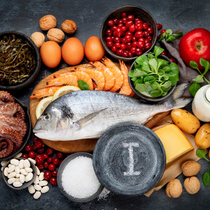
To maintain healthy iodine levels, it is vital to include iodine-rich foods in your diet. Here are some common dietary sources:
- Seafood: Fish and shellfish are excellent sources of iodine.
- Dairy Products: Milk, cheese, and yoghurt contain significant amounts of iodine.
- Iodised Salt: A common source of iodine, although some may prefer to use non-iodised alternatives.
- Eggs: Particularly the yolk, offer a handy source of iodine.
- Sea Vegetables: Such as kelp and nori, are rich in iodine.
It is advisable to discuss dietary needs with a healthcare professional to tailor your iodine intake appropriately, as individual requirements can vary significantly.
The Iodine-Thyroid Nutrient Connection
Iodine does not work in isolation. Several other nutrients play a vital role in supporting thyroid health (7). These include:
- Selenium: Crucial for the conversion of T4 to the more active T3 hormone.
- Zinc: Important for thyroid hormone synthesis and metabolism.
- Iron and B Vitamins: Essential for overall energy metabolism and thyroid function.
A well-rounded diet rich in these nutrients can significantly enhance thyroid health and optimise hormone production.
Global Iodine Status
The iodine status of populations varies, with some regions experiencing deficiencies while others face the risks associated with excess consumption due to fortified foods. Monitoring iodine levels across different populations can provide valuable insights into public health strategies and interventions necessary to improve iodine intake and overall thyroid health.
Practical Tips for Maintaining Optimal Thyroid Health
- Evaluate Your Diet: Incorporate iodine-rich foods and ensure a balanced intake of other essential nutrients.
- Consider Regular Check-ups: Regular blood tests can help assess thyroid hormone levels and iodine status.
- Be Cautious with Supplements: Depending on your diet and underlying health conditions, consult with a healthcare provider before starting any iodine supplements.
- Monitor Changes in Health: Pay attention to symptoms of both deficiency (fatigue, weight gain) and excess (anxiety, insomnia) and consult a professional if they arise.
The Role of Iodine in Pregnancy
Iodine is particularly crucial during pregnancy and lactation, as it plays a significant role in foetal development and maternal health (8). Insufficient iodine during this period can lead to developmental issues in infants, including cognitive deficits. Pregnant women should ensure they meet the recommended iodine intake levels to support both their health and that of their growing baby.
Iodine: It’s Vital To Get Enough of This Micronutrient
The connection between iodine and thyroid health is intricate and vital. Ensuring adequate iodine intake is imperative for optimal thyroid function and overall well-being. By understanding the importance of this nutrient and its relationship with thyroid hormones, health enthusiasts and thyroid patients alike can make informed decisions about their dietary choices.
Taking proactive steps toward maintaining a balanced diet rich in iodine and other essential nutrients can lead to improved thyroid health and a better quality of life. If you have concerns about your thyroid or iodine levels, consider consulting with a healthcare professional for tailored advice and support.
Frequently Asked Questions About Iodine and Thyroid Health
How do I know if I am getting enough iodine in my diet?
The most reliable way to check is through a urine iodine test, which your GP can arrange. That said, looking at your diet gives you a good starting point. If you eat fish, dairy and eggs regularly, your intake is likely adequate. If you follow a vegan or plant-based diet and avoid iodised salt, you may well be falling short. Sea vegetables like nori and kelp are good plant-based sources, and a quality nascent iodine supplement is worth considering if your diet is limited in animal products.
Can I get too much iodine from food alone?
It is unlikely from ordinary food sources. Eating a varied diet with fish, dairy and the occasional portion of sea vegetables will not push you into excess. The bigger risk tends to come from high-dose supplements or consuming large amounts of seaweed such as kelp, which can contain extremely concentrated levels of iodine. If you are taking a supplement, sticking to the recommended dose is sensible, and checking with your GP first is always worthwhile if you have any existing thyroid concerns.
What are the signs of an iodine deficiency?
Iodine deficiency does not always announce itself loudly, which is part of what makes it easy to overlook. Persistent tiredness, unexplained weight gain, feeling cold most of the time, dry skin and a general sense of sluggishness are all worth paying attention to, as these can point to an underactive thyroid linked to low iodine. A visible swelling at the front of the neck, known as a goitre, is a more obvious sign. If any of these sound familiar, a conversation with your GP and a simple blood test can give you some clear answers.
Is iodine deficiency common in the UK?
It is more common than many people realise, particularly among young women and those following plant-based diets. The UK does not fortify salt with iodine in the same way that some other countries do, and soil iodine levels in parts of Britain are relatively low. A large study by the University of Surrey found that a significant proportion of UK teenage girls had low iodine intake. The good news is that it is straightforward to address through dietary changes or with the support of a quality mineral supplement.
Why is iodine especially important during pregnancy?
During pregnancy, your body’s demand for iodine increases considerably because you are supporting your own thyroid as well as your baby’s developing brain and nervous system. The thyroid hormones that depend on iodine are essential for healthy foetal development, particularly during the first trimester before the baby’s own thyroid becomes active. The NHS recommends that pregnant women and those trying to conceive pay close attention to their iodine intake. If you are unsure whether your diet is providing enough, speak to your midwife or GP about whether a supplement is appropriate for you.
Does selenium really matter for thyroid health, and where do I get it?
Selenium matters more than most people appreciate when it comes to thyroid function. It is needed to convert the less active T4 hormone into T3, which is the form your body actually uses. Without enough selenium, even good iodine levels may not translate into healthy thyroid hormone activity. Brazil nuts are the standout food source, with just two or three providing your daily needs. Fish, eggs and sunflower seeds also contribute. If your diet is limited in these foods, a broad mineral supplement covering selenium alongside other key nutrients is worth looking into.
 |
Support Your Daily Wellness with Alkaline WaterThe Biocera Alkaline Water Filter Jug uses bioceramic minerals to raise the pH of your tap water, a simple and affordable way to support hydration and overall wellness as part of your thyroid health routine. Shop the Biocera Jug |
Ready to support your thyroid from the inside out? Explore our Nascent Iodine supplement or browse our full range of mineral supplements to find the right support for your needs.
Browse All SupplementsReferences
- Shahid, M. A., & Sharma, S. (2023, June 5). Physiology, Thyroid Hormone. Nih.gov; StatPearls Publishing. https://www.ncbi.nlm.nih.gov/books/NBK500006/
- Sentis, S. C., Oelkrug, R., & Mittag, J. (2021). Thyroid hormones in the regulation of brown adipose tissue thermogenesis. Endocrine Connections, 10(2), R106–R115. https://doi.org/10.1530/ec-20-0562
- Cleveland Clinic. (2020, April 19). Thyroid Disease: Hypothyroidism & Hyperthyroidism | Cleveland Clinic. Cleveland Clinic. https://my.clevelandclinic.org/health/diseases/8541-thyroid-disease
- Iodine. (2019, January 2). Linus Pauling Institute. https://lpi.oregonstate.edu/mic/minerals/iodine
- Zimmermann, M. B., & Boelaert, K. (2015). Iodine deficiency and thyroid disorders. The Lancet. Diabetes & Endocrinology, 3(4), 286–295. https://doi.org/10.1016/S2213-8587(14)70225-6
- The Relationship Between Iodine and Thyroid Function/Dysfunction. (n.d.). Default. https://www.rgare.com/knowledge-center/article/the-relationship-between-iodine-and-thyroid-function-dysfunction
- Knezevic, J., Starchl, C., Tmava Berisha, A., & Amrein, K. (2020). Thyroid-Gut-Axis: How Does the Microbiota Influence Thyroid Function? Nutrients, 12(6), 1769. https://doi.org/10.3390/nu12061769
- Iodine in pregnancy and lactation. (n.d.). Www.who.int. https://www.who.int/tools/elena/bbc/iodine-pregnancy