






In today's fast-paced world, stress has become an almost ubiquitous part of daily life. According to a survey by the Mental Health Foundation, 74% of UK adults have felt so stressed at some point over the last year that they felt overwhelmed or unable to cope (1). Chronic stress can have serious implications for both mental and physical health, making it essential to explore strategies for managing it effectively. One such strategy is nutrition, as what we eat can significantly influence our stress levels and overall well-being. In this blog post, we'll dive into the intricate connection between stress and nutrition, providing valuable insights and practical tips for health enthusiasts, nutrition seekers, and the wellness community. You can also explore our full range of supplements to support overall wellbeing if you'd like to go further.
Understanding the Stress-Nutrition Connection
Stress triggers a series of physiological changes in the body, including the release of stress hormones like cortisol and adrenaline. These hormones prepare the body for a "fight-or-flight" response, which can be beneficial in short bursts but detrimental when sustained over long periods (2). Nutrition plays a pivotal role in modulating these stress responses.
At a Glance: How Stress Affects the Body
- Triggers release of cortisol and adrenaline
- Raises blood pressure and heart rate
- Disrupts appetite and hunger signals
- Increases cravings for high-calorie, high-sugar foods
- Causes inflammation that interferes with metabolism
Foods That Increase Stress Levels
Certain foods can exacerbate stress by affecting the body's hormone balance and inflammation levels. Highly refined sugars and processed foods are prime culprits. Consuming these foods can cause rapid spikes and crashes in blood sugar levels, leading to mood swings and increased anxiety (3). Additionally, excessive caffeine intake can elevate cortisol levels, contributing to heightened stress and anxiety (4).
Foods That Decrease Stress Levels
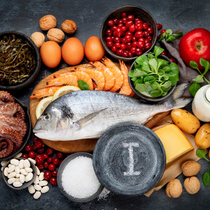
Conversely, some foods contain nutrients that help mitigate the effects of stress. Omega-3 fatty acids, found in fatty fish like salmon and mackerel, have been shown to reduce inflammation and lower cortisol levels (5). If oily fish isn't a regular part of your diet, a high-quality omega-3 fish oil supplement is one of the most reliable ways to close the gap. Magnesium-rich foods, such as leafy greens, nuts, and seeds (6), can help relax muscles and nerves, promoting a sense of calm (6). Antioxidant-rich fruits and vegetables also play a crucial role in combating oxidative stress, which can further exacerbate chronic stress (7).

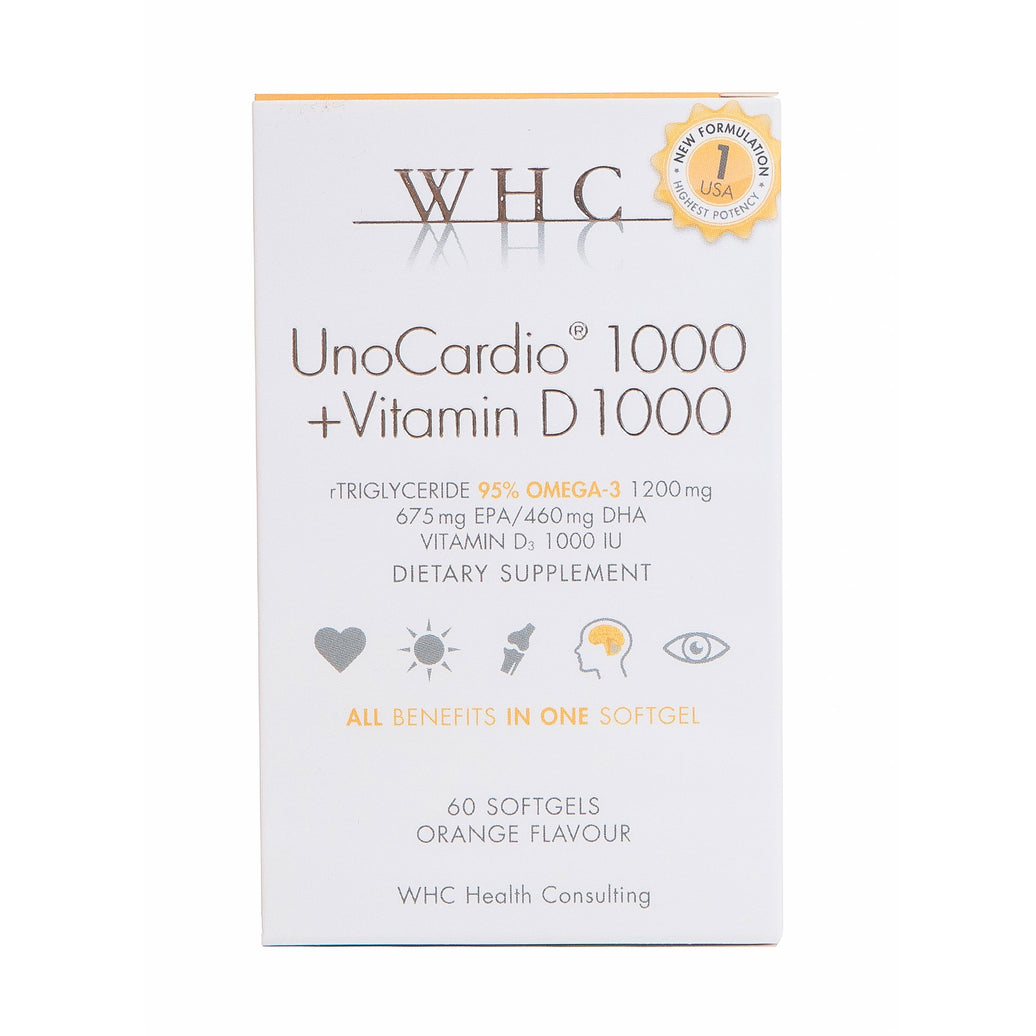
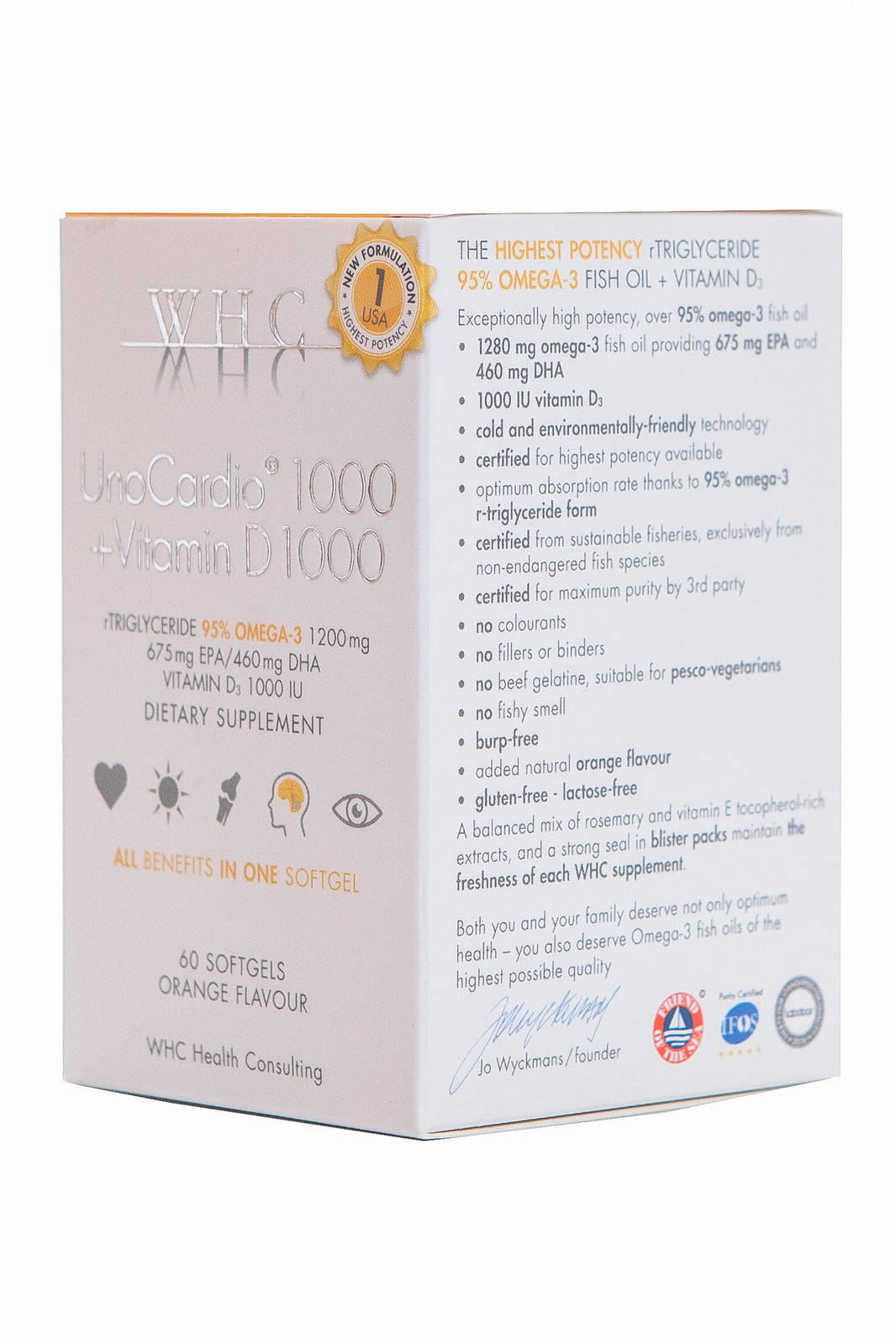
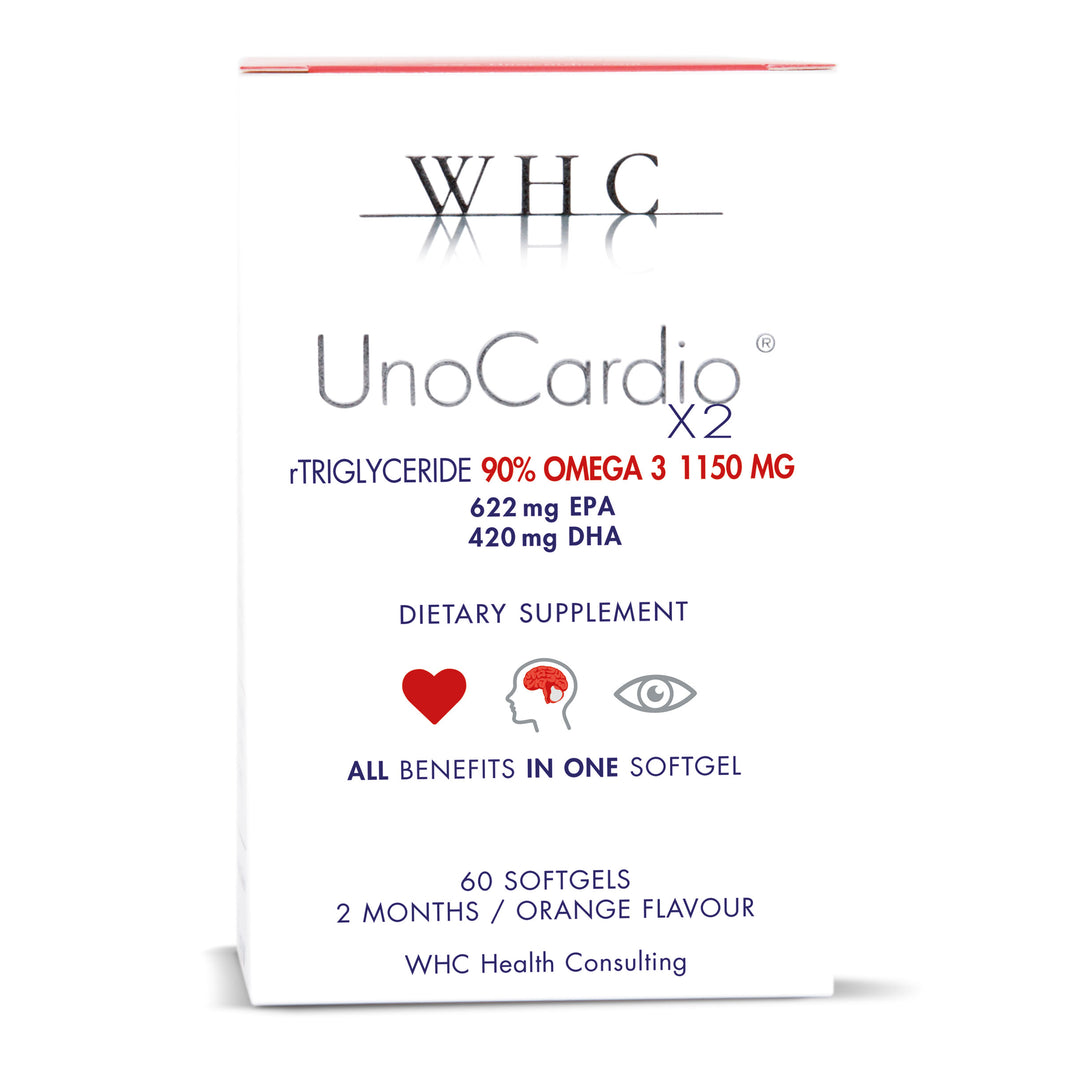
WHC UnoCardio 1000 — Omega-3 Fish Oil + Vitamin D
Not eating oily fish twice a week? UnoCardio 1000 delivers 1,200mg of concentrated omega-3s (675mg EPA + 460mg DHA) plus 1,000 IU of vitamin D3 in a single daily softgel — making it one of the easiest ways to support healthy cortisol levels and reduce stress-related inflammation.
- Ranked #1 for quality in the USA since 2015
- 5-star IFOS certified — independently verified for purity
- Sustainably sourced from sardines, anchovies, herring and mackerel
- One capsule daily — no multiple doses needed
| Food / Nutrient | Effect on Stress | Why It Matters | Examples |
|---|---|---|---|
| Refined sugars & processed foods | ▲ Increases stress | Causes blood sugar spikes and crashes, worsening mood and anxiety | White bread, biscuits, fizzy drinks |
| Excess caffeine | ▲ Increases stress | Elevates cortisol levels throughout the day | Coffee, energy drinks, strong tea |
| Omega-3 fatty acids | ▼ Decreases stress | Reduces inflammation and lowers cortisol | Salmon, mackerel, flaxseed, walnuts |
| Magnesium | ▼ Decreases stress | Relaxes muscles and nerves, promotes calm | Spinach, almonds, pumpkin seeds |
| Antioxidants | ▼ Decreases stress | Combats oxidative stress caused by chronic stress | Blueberries, broccoli, peppers, dark chocolate |
The Impact of Stress on Dietary Choices
Stress doesn't just affect what happens inside our bodies; it also significantly influences our eating behaviours. When stressed, people often turn to "comfort foods" that are typically high in fats, sugars, and simple carbohydrates. This phenomenon is partly due to the brain's reward system, which seeks out quick energy sources during stressful periods (8).
Psychological Effects
The emotional component of stress can drive individuals to seek solace in food, leading to overeating and poor dietary choices. Emotional eating is a common response to stress, especially among those who might not have alternative coping mechanisms (9).
Physiological Effects
Stress affects the body's hunger and satiety signals. For example, elevated cortisol levels can increase appetite and cravings for high-calorie foods (10). Additionally, stress-induced inflammation can interfere with normal metabolic processes, making it more challenging to maintain a balanced diet (11).
Strategies for Combating Stress through Nutrition
Understanding the connection between stress and nutrition is the first step; the next is implementing practical strategies to combat stress through dietary choices.
Balanced Meals
Consuming balanced meals that include a mix of complex carbohydrates, lean proteins, and healthy fats can help stabilise blood sugar levels and provide sustained energy. Whole grains, legumes, lean meats, and avocados are excellent choices for creating balanced, stress-reducing meals (12).
Healthy Snacks
Incorporating healthy snacks into your daily routine can prevent the blood sugar dips that often lead to increased stress and poor food choices. Nuts, seeds, yoghurt, and fresh fruits are all nutrient-dense options that can help keep stress levels in check (13).
Hydration
Staying hydrated is crucial for overall well-being and stress management. Dehydration can exacerbate feelings of anxiety and irritability (14). Aim to drink at least eight glasses of water a day, and consider herbal teas like chamomile or peppermint for their calming effects.
Mindful Eating
Practising mindful eating can also help manage stress. This involves paying close attention to the taste, texture, and aroma of your food, as well as your body's hunger and satiety signals. Mindful eating can help break the cycle of emotional eating by encouraging a more thoughtful approach to food choices (15).
Quick Wins: Simple Nutrition Swaps to Reduce Stress Today
- Swap white bread for wholegrain — steadier blood sugar, steadier mood
- Replace your third coffee with chamomile or peppermint tea
- Add a handful of spinach to meals — an easy magnesium boost
- Keep a small pot of mixed nuts at your desk for stress-free snacking
- Start each morning with a large glass of water before anything else
- Add one portion of oily fish (salmon, mackerel) to your meals twice a week

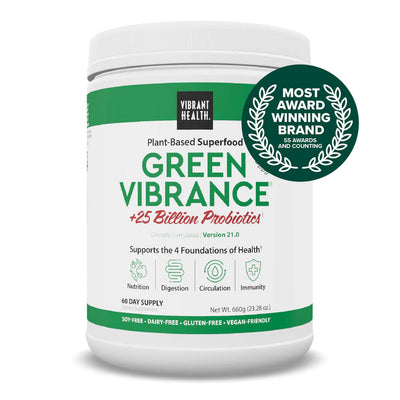
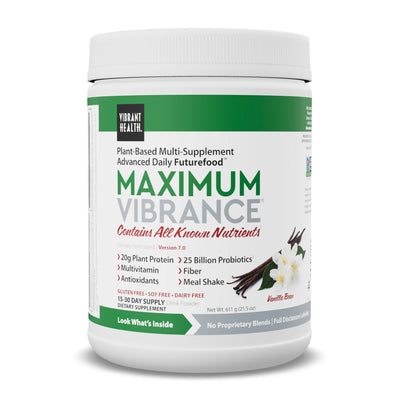
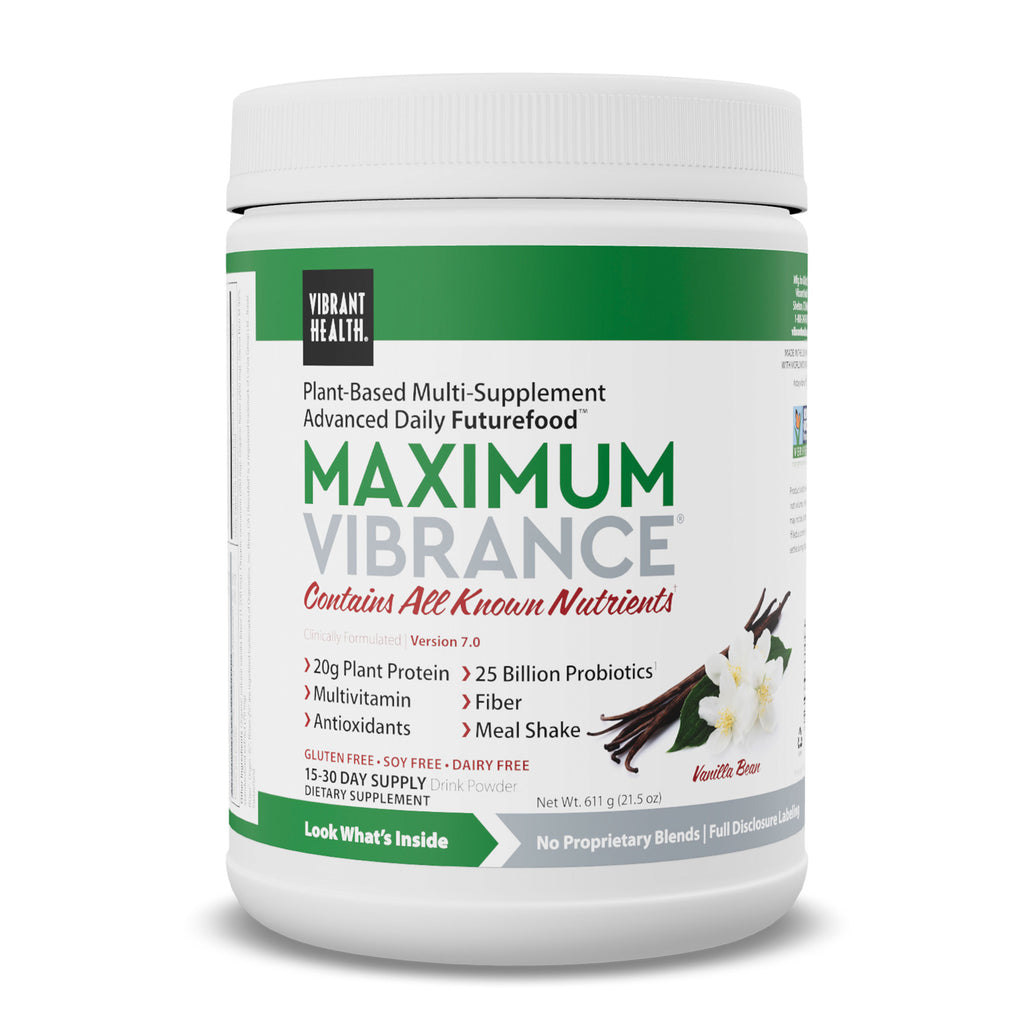
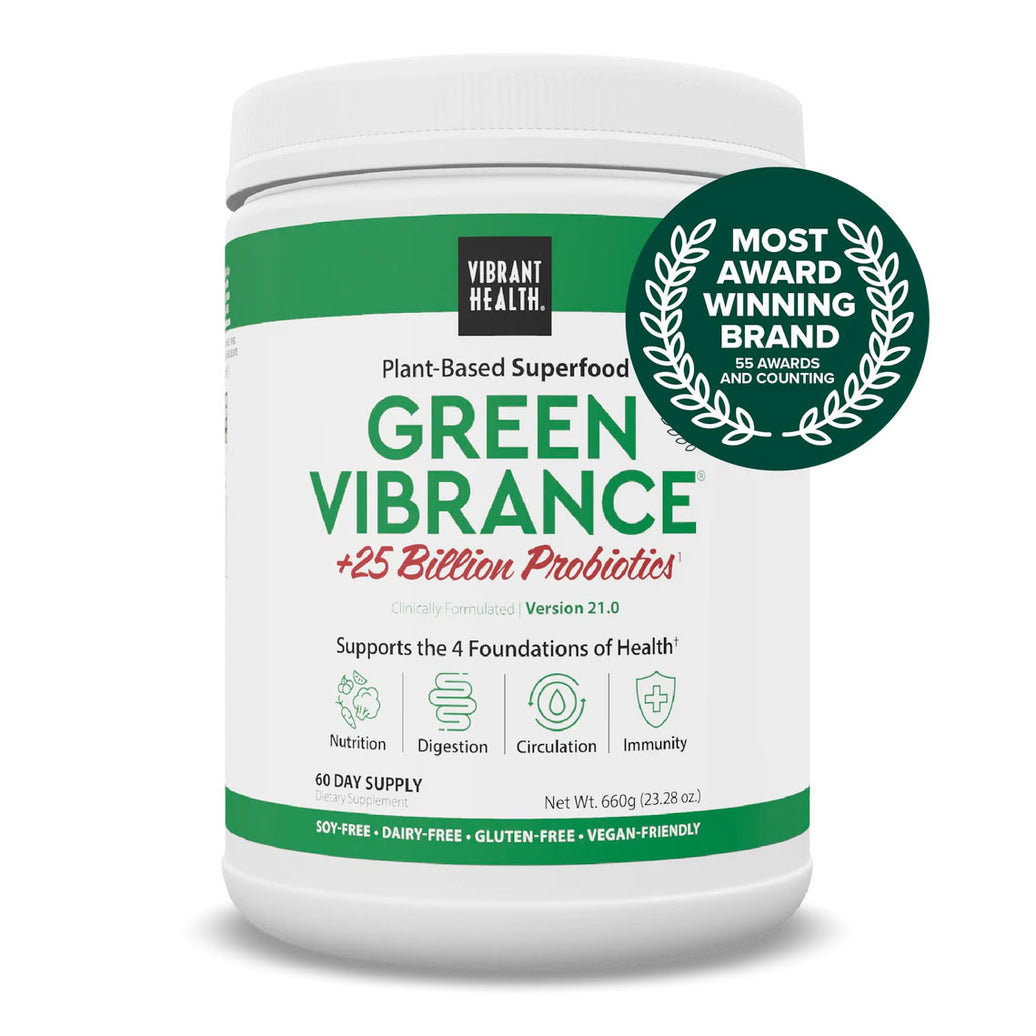
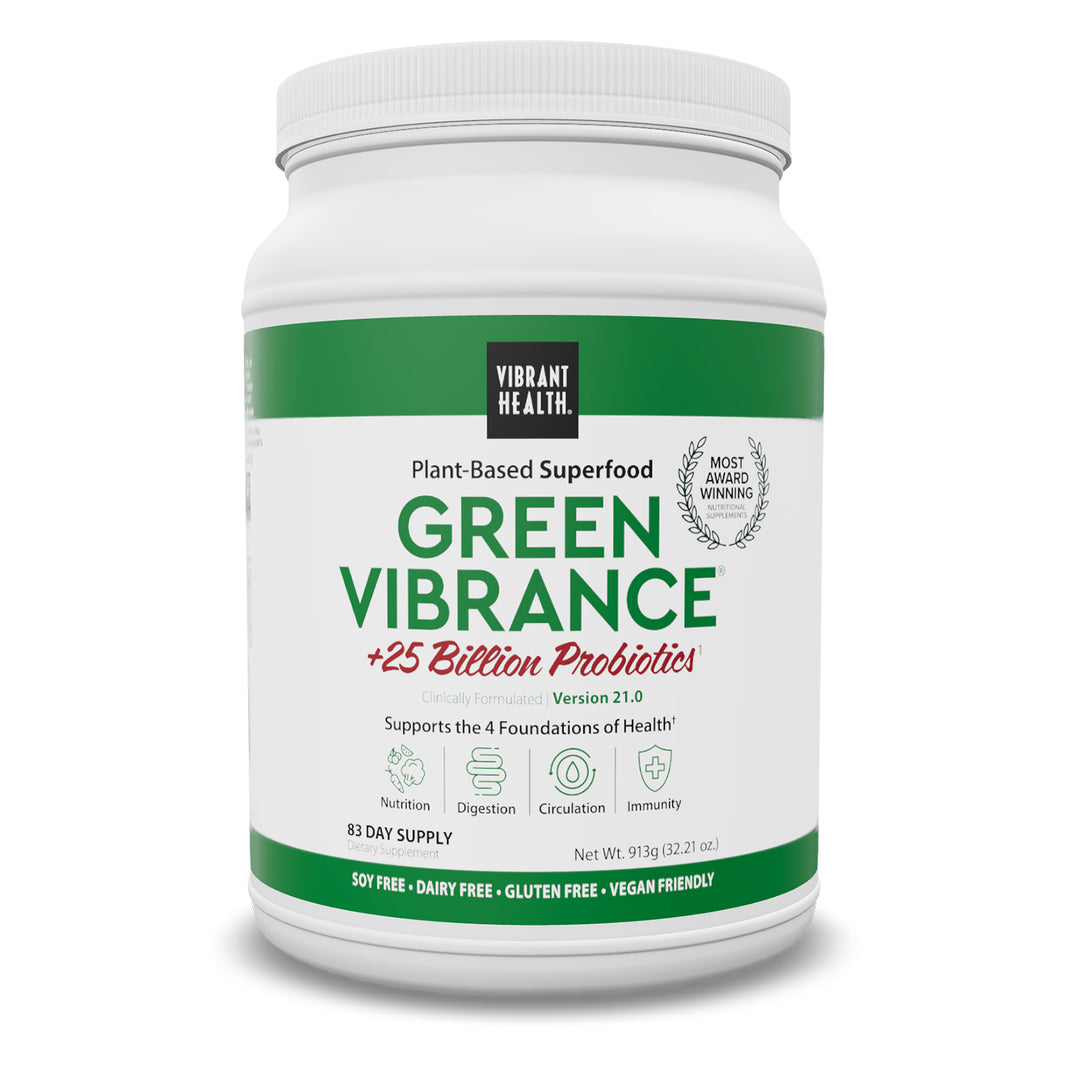
Green Vibrance — Award-Winning Supergreens Powder
When stress makes it harder to eat well, Green Vibrance fills the gaps. A single daily scoop delivers 2,506mg of plant-based micronutrition, 14 antioxidants to fight oxidative stress, plus 25 billion probiotics from 12 strains — covering nutrition, digestion, circulation and immunity in one go. It's one of the best greens powders available in the UK.
- Over 70 ingredients — most organically grown or wild harvested
- 14 antioxidants to combat stress-related oxidative damage
- Full disclosure labelling — no hidden proprietary blends
- 55 industry awards including 13 Vity Awards
- Vegan-friendly, gluten-free, soy-free, dairy-free
Case Studies and Personal Stories
Real-life examples often provide the most compelling evidence of the effectiveness of nutritional changes in managing stress.
Sarah's Story
Sarah, a 35-year-old marketing executive, struggled with chronic stress and poor eating habits. After consulting a nutritional therapist, she began incorporating more omega-3-rich foods and magnesium into her diet. Within a few months, Sarah noticed a significant reduction in her stress levels and an improvement in her overall mood.
James' Journey
James, a university student, found himself turning to junk food during exam periods. Recognising the negative impact on his stress levels, he decided to switch to healthier snacks and ensure his meals were balanced. The change not only helped him manage stress better but also improved his academic performance.
Looking to the Future
Research into the connection between stress and nutrition is ongoing, and future developments hold promise for more targeted strategies. Scientists are exploring the role of gut health in stress management, suggesting that probiotics and prebiotics could become important components of stress-reducing diets. Advances in personalised nutrition, which tailors dietary recommendations based on an individual's genetic makeup and lifestyle, also offer exciting possibilities for more effective stress management.
Emerging Areas of Research
- Gut-brain axis: How gut microbiome health influences cortisol and mood regulation
- Probiotics & prebiotics: Potential role in reducing physiological stress responses
- Personalised nutrition: Genetic-based dietary plans tailored to individual stress profiles
- Adaptogenic herbs: Growing evidence around ashwagandha, rhodiola, and holy basil

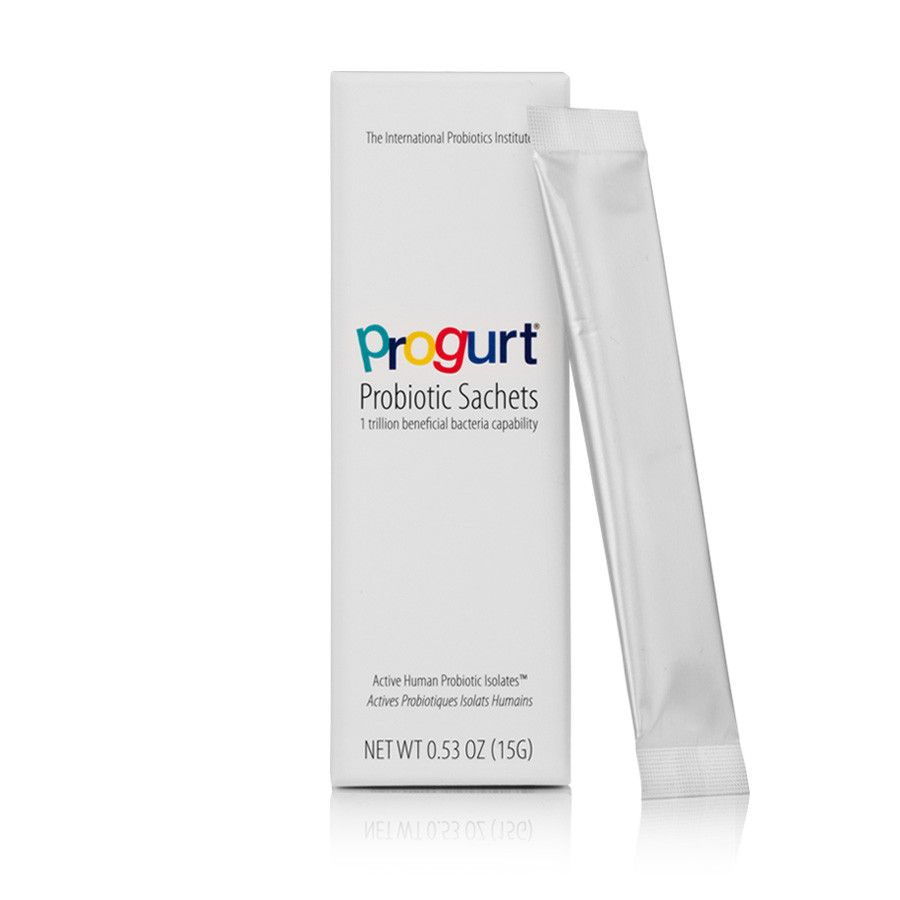
Progurt Probiotic Sachets — The World's Strongest Probiotic
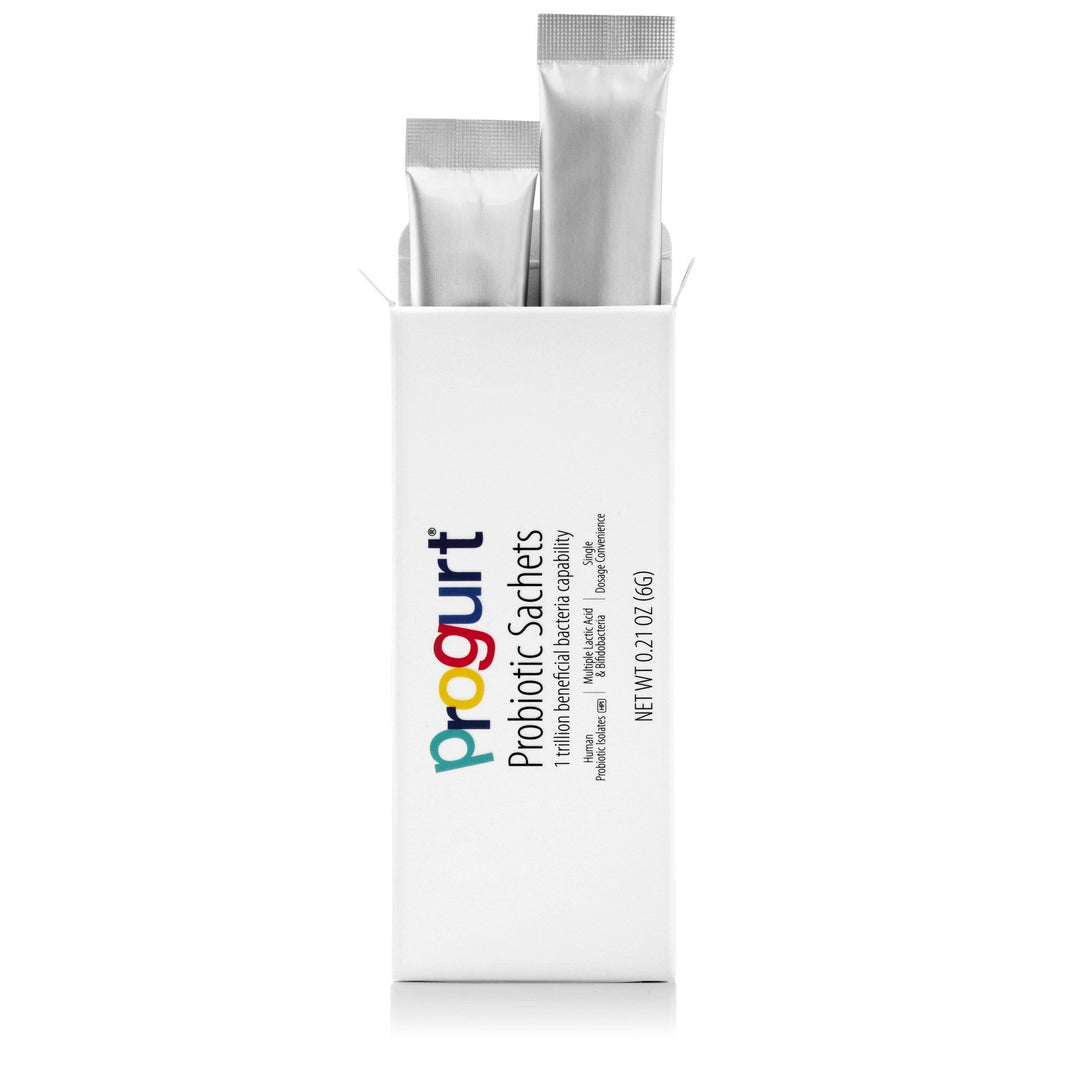
As science continues to reveal the gut-brain connection, supporting your microbiome is one of the most forward-thinking steps you can take for stress management. Progurt delivers 1 trillion CFU of beneficial bacteria per sachet — 30 to 40 times more than the average UK probiotic — using human-derived isolates for exceptional colonisation. Explore our full gut health and probiotic range to find the right fit for your needs.
- 1 trillion CFU per sachet — unmatched potency
- Human Probiotic Isolates™ — derived from human sources for optimal compatibility
- No refrigeration required — stable and travel-friendly
- Free from gluten, dairy, soy, GMO and preservatives
- Can be taken as a drink or used to make probiotic yoghurt at home
Stress: Using Nutrition to Lower Levels
In summary, the connection between stress and nutrition is both profound and multifaceted. By making mindful dietary choices, individuals can significantly impact their stress levels and overall well-being. Incorporating nutrient-dense foods, staying hydrated, and practising mindful eating are practical steps that anyone can take to manage stress more effectively. As research continues to uncover new insights, the potential for nutrition to play an even more significant role in stress management looks promising.
Understanding this connection is particularly crucial for health enthusiasts, nutrition seekers, and the wellness community, as it empowers them to make informed choices that can enhance their quality of life.
If you're looking to take control of your stress through nutrition, start with small, manageable changes and gradually build healthier habits. Your body and mind will thank you.
Written by Amy Morris, BSc (Hons) Nutritional Therapy. Amy has been a nutritional therapist for 12 years, specialising in recent years as a functional medicine nutritional therapist. Women's health, and pre-diabetes and type 2 diabetes prevention are Amy's specialist areas. Diagnosed with a chronic condition called endometriosis at age 20, this is what motivated Amy to study nutrition. Amy has been in remission for 6 years now, attributing powerful nutrition, lifestyle and bio-identical hormone strategies she now shares with her clients. https://www.greathealthnaturally.co.uk/
Water for Health Ltd began trading in 2007 with the goal of positively affecting the lives of many. We still retain that mission because we believe that proper hydration and nutrition can make a massive difference to people's health and quality of life. Click here to find out more.
This article is for informational purposes and does not constitute medical advice.
Frequently Asked Questions
Can what you eat really affect your stress levels?
Yes — nutrition directly influences the hormones and neurotransmitters involved in your stress response. Foods high in refined sugar can trigger cortisol spikes and blood sugar crashes that worsen anxiety, while nutrients such as omega-3 fatty acids and magnesium have been shown to lower cortisol and promote a calmer mood. What you eat is one of the most practical levers you have for managing day-to-day stress.
Which nutrients are most important for reducing stress?
Omega-3 fatty acids (EPA and DHA), magnesium, and antioxidant vitamins C and E are among the most researched nutrients for stress management. Omega-3s help reduce inflammation and lower cortisol. Magnesium supports nerve and muscle relaxation. Antioxidants combat oxidative stress, which tends to increase during periods of chronic stress. If your diet is limited, a high-quality supplement can help bridge the gap.
Why do I crave junk food when I'm stressed?
Stress raises cortisol, which increases appetite and drives cravings for high-fat, high-sugar foods. The brain's reward system also seeks quick energy sources during perceived threats, making processed comfort foods feel more appealing. This is a physiological response, not a lack of willpower. Building a routine of balanced meals and nutritious snacks makes it easier to resist these cravings when stress peaks.
Can probiotics help with stress and anxiety?
Emerging research on the gut-brain axis suggests that gut health plays a meaningful role in mood and stress regulation. The gut produces a significant proportion of the body's serotonin, and an imbalanced microbiome has been linked to heightened anxiety responses. Probiotics help support a healthy gut microbiome, and several studies have found associations between probiotic use and reduced stress-related symptoms, though more research is ongoing.
How does dehydration affect stress levels?
Even mild dehydration can increase feelings of anxiety, irritability, and difficulty concentrating — all of which compound the effects of stress. Staying hydrated supports healthy cortisol regulation and overall cognitive function. Aim for at least eight glasses of water per day, and consider calming herbal teas such as chamomile or peppermint as part of your fluid intake.
What is the best diet for managing chronic stress?
A diet centred on whole foods — complex carbohydrates, lean proteins, healthy fats, and plenty of vegetables and fruit — provides the most consistent support for stress management. This approach stabilises blood sugar, supplies key stress-fighting nutrients, and reduces inflammatory load. Limiting processed foods, excess caffeine, and alcohol further reduces the physiological burden on your body during stressful periods.
Ready to support your body through stress with targeted nutrition? Explore the products recommended in this article.
Shop UnoCardio Omega-3 Shop Green Vibrance Shop Progurt ProbioticsReferences
- Mental Health Foundation. "Stressed Nation: 74% of UK "Overwhelmed or Unable to Cope" at Some Point in the Past Year." Www.mentalhealth.org.uk, 14 May 2018, www.mentalhealth.org.uk/about-us/news/survey-stressed-nation-UK-overwhelmed-unable-to-cope.
- Harvard Medical School. "Understanding the Stress Response." Harvard Health, Harvard Health Publishing, 3 Apr. 2024, www.health.harvard.edu/staying-healthy/understanding-the-stress-response.
- Ma, X., Nan, F., Liang, H., Shu, P., Fan, X., Song, X., Hou, Y., & Zhang, D. (2022). Excessive intake of sugar: An accomplice of inflammation. Frontiers in immunology, 13, 988481. https://doi.org/10.3389/fimmu.2022.988481
- Lovallo, W. R., Whitsett, T. L., al'Absi, M., Sung, B. H., Vincent, A. S., & Wilson, M. F. (2005). Caffeine stimulation of cortisol secretion across the waking hours in relation to caffeine intake levels. Psychosomatic medicine, 67(5), 734–739. https://doi.org/10.1097/01.psy.0000181270.20036.06
- Albracht-Schulte, K., Kalupahana, N. S., Ramalingam, L., Wang, S., Rahman, S. M., Robert-McComb, J., & Moustaid-Moussa, N. (2018). Omega-3 fatty acids in obesity and metabolic syndrome: a mechanistic update. The Journal of nutritional biochemistry, 58, 1–16. https://doi.org/10.1016/j.jnutbio.2018.02.012
- Spritzler, Franziska. "10 Magnesium-Rich Foods That Are Super Healthy." Healthline, Healthline Media, 22 Aug. 2018, www.healthline.com/nutrition/10-foods-high-in-magnesium.
- Tan, B. L., Norhaizan, M. E., Liew, W. P., & Sulaiman Rahman, H. (2018). Antioxidant and Oxidative Stress: A Mutual Interplay in Age-Related Diseases. Frontiers in pharmacology, 9, 1162. https://doi.org/10.3389/fphar.2018.01162
- Bromberg-Martin, E. S., Matsumoto, M., & Hikosaka, O. (2010). Dopamine in motivational control: rewarding, aversive, and alerting. Neuron, 68(5), 815–834. https://doi.org/10.1016/j.neuron.2010.11.022
- Frayn, M., Livshits, S., & Knäuper, B. (2018). Emotional eating and weight regulation: a qualitative study of compensatory behaviors and concerns. Journal of eating disorders, 6, 23. https://doi.org/10.1186/s40337-018-0210-6
- Chao, A. M., Jastreboff, A. M., White, M. A., Grilo, C. M., & Sinha, R. (2017). Stress, cortisol, and other appetite-related hormones: Prospective prediction of 6-month changes in food cravings and weight. Obesity (Silver Spring, Md.), 25(4), 713–720. https://doi.org/10.1002/oby.21790
- Chao, A. M., Jastreboff, A. M., White, M. A., Grilo, C. M., & Sinha, R. (2017). Stress, cortisol, and other appetite-related hormones: Prospective prediction of 6-month changes in food cravings and weight. Obesity (Silver Spring, Md.), 25(4), 713–720. https://doi.org/10.1002/oby.21790
- "Stress and Health." The Nutrition Source, 5 Oct. 2020, nutritionsource.hsph.harvard.edu/stress-and-health/
- "9 Foods That Help Reduce Anxiety." Www.medicalnewstoday.com, www.medicalnewstoday.com/articles/322652.
- Pross, N., Demazières, A., Girard, N., Barnouin, R., Metzger, D., Klein, A., Perrier, E., & Guelinckx, I. (2014). Effects of changes in water intake on mood of high and low drinkers. PloS one, 9(4), e94754. https://doi.org/10.1371/journal.pone.0094754
- Bjarnadottir, Adda. "Mindful Eating 101 — a Beginner's Guide." Healthline, Healthline Media, 19 June 2019, www.healthline.com/nutrition/mindful-eating-guide.