




If you only think about vitamin C when you feel a cold coming on, you're not alone — but you may be missing the bigger picture. Vitamin C is one of the most versatile and essential nutrients your body relies on every single day, not just in the depths of winter. The question is: are most of us actually getting enough?

- How much vitamin C you actually need each day
- Why food alone may not be sufficient for many UK adults
- The best dietary sources — beyond oranges
- How to choose a high-quality vitamin C supplement
- The health risks of long-term deficiency
What Is Vitamin C and Why Can't We Make It Ourselves?
Vitamin C — also known as ascorbic acid — is a water-soluble vitamin that plays a crucial role in dozens of bodily functions. Unlike most mammals, humans cannot synthesise vitamin C internally. That means we are entirely dependent on our diet (or supplementation) to maintain adequate levels.
This makes consistent daily intake essential, not optional. When vitamin C stores run low, the effects are wide-ranging — and they can accumulate slowly without obvious warning signs until deficiency becomes significant.
How Much Vitamin C Do You Need Each Day?
The Recommended Dietary Allowance (RDA) for vitamin C in the UK is around 90 mg per day for men and 75 mg per day for women.1 For pregnant women, this rises to approximately 85 mg, and for those breastfeeding, up to 120 mg per day.
These figures often surprise people who expect the numbers to be higher, given how frequently vitamin C is recommended during illness. But the RDA reflects a baseline for preventing deficiency — not necessarily the optimal level for vibrant, long-term health.
| Group | Recommended Daily Intake |
|---|---|
| Adult men | 90 mg |
| Adult women | 75 mg |
| Pregnant women | 85 mg |
| Breastfeeding women | 120 mg |
| Smokers (add to base RDA) | +35 mg |
What Does Vitamin C Actually Do?
Vitamin C is far more than an immune booster. Its roles in the body are remarkably diverse:
- Antioxidant protection: It helps neutralise free radicals, which can contribute to accelerated ageing and the development of conditions such as heart disease, cancer, and arthritis.2
- Collagen synthesis: Vitamin C is essential for producing collagen — the structural protein that supports your skin, tendons, ligaments, and blood vessels.
- Iron absorption: It significantly enhances the absorption of non-haem (plant-based) iron, making it particularly valuable for vegetarians and vegans.
- Immune support: It encourages the production and function of white blood cells, helping your body respond to infection more effectively.
- Psychological function: Emerging research suggests a link between vitamin C status and mood, energy, and cognitive function — areas often overlooked in the vitamin C conversation.
Without sufficient vitamin C, the body can develop scurvy — characterised by fatigue, widespread connective tissue weakness, and capillary fragility.2 While scurvy is rare today, sub-clinical deficiency (not quite there, but not optimal either) is more common than most people realise.
Can You Get Enough Vitamin C Through Food Alone?
In theory, yes. In practice, many UK adults fall short. A study in the UK found that only around 50% of adults met the lower dietary requirement for vitamin C, with intake lowest among older adults and smokers.3 A separate study found that just 31% of the British population consumed the full RDA consistently.4
Fruits and vegetables are your primary sources, but dietary variety has declined, food processing strips nutrients, and seasonal availability affects what many people actually eat day-to-day.
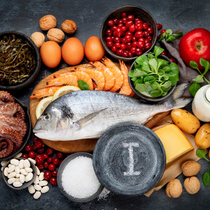
The Best Food Sources of Vitamin C
It's not all about oranges. These foods are among the richest sources:
- Red bell peppers — one of the highest sources, with around 190 mg per 100g
- Kiwifruit — approximately 90 mg per fruit
- Strawberries, blueberries, and raspberries
- Broccoli and Brussels sprouts
- Citrus fruits — oranges, lemons, and grapefruits
- Cantaloupe and honeydew melon
Aim for a wide variety of colourful produce daily. Cooking can destroy a significant proportion of vitamin C in foods, so including some raw sources — such as sliced peppers or fresh berries — is a practical way to protect your intake.
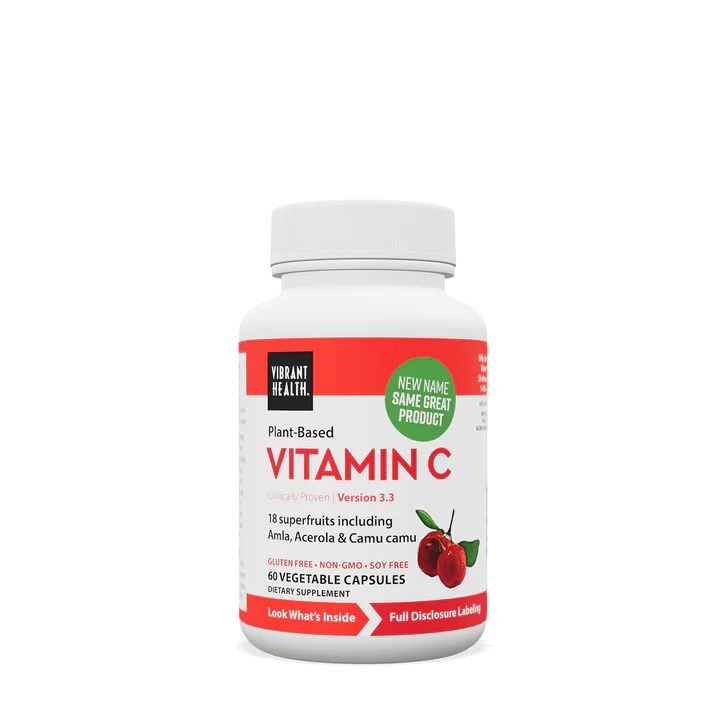 |
Looking for a quality vitamin C supplement? Our Water for Health vitamin C is a great choice whether you're topping up daily or supporting your immune system through a busy period. |
A Year-Round Priority: Not Just for Winter
The winter focus on vitamin C is understandable — cold and flu season is a natural prompt to think about immune support. But treating vitamin C as a seasonal remedy misses the point. Your body requires it every day: for tissue repair, antioxidant defence, iron absorption, mood regulation, and much more.
The best approach is a combination strategy: prioritise a varied, colourful diet rich in fruits and vegetables, and introduce targeted supplementation where your diet falls short or your needs increase. That way, you're supporting your health not just through January, but across the entire year.
Frequently Asked Questions About Vitamin C
What are the signs of vitamin C deficiency?
Common signs of vitamin C deficiency include fatigue, slow wound healing, bleeding or swollen gums, frequent infections, dry or rough skin, and easy bruising. In severe cases, a condition called scurvy can develop, though this is rare in the UK. Many people have sub-optimal levels without noticing obvious symptoms.
How much vitamin C should I take daily as a supplement?
For most healthy adults, a supplement providing 250–500 mg of vitamin C per day is both safe and sufficient to maintain optimal levels alongside a reasonable diet. Higher doses may be recommended during illness or for smokers, but doses above 1,000 mg daily can cause digestive upset in some people. Always check with a healthcare professional if you're unsure.
Can you take too much vitamin C?
Vitamin C is water-soluble, so excess amounts are generally excreted in urine rather than accumulating in the body. However, very high doses — typically above 2,000 mg per day — can cause digestive issues such as diarrhoea and stomach cramps. Staying within 500–1,000 mg as a daily supplement is considered safe for most adults.
Does vitamin C help with iron absorption?
Yes. Vitamin C significantly improves the absorption of non-haem iron, which is the type found in plant-based foods such as lentils, spinach, and fortified cereals. Consuming a vitamin C-rich food or supplement alongside an iron-rich meal is one of the most effective ways to improve iron uptake — particularly important for vegetarians and vegans.
Is vitamin C from food better than from supplements?
Food sources of vitamin C come with additional nutrients — fibre, bioflavonoids, and other antioxidants — that work together to support health in ways that a supplement alone cannot replicate. That said, a quality vitamin C supplement, particularly one containing bioflavonoids, is an effective and practical option when dietary intake is consistently falling short.
Should I take vitamin C in winter or all year round?
Vitamin C is needed by the body every day of the year, not just in winter. While immune support during cold and flu season is one reason to focus on your intake, the vitamin's roles in collagen production, antioxidant defence, iron absorption, and mood support make year-round adequacy just as important.
|
Ready to support your health every day — not just in winter? Shop our vitamin C supplement at Water for Health, or browse our greens powders for an easy way to boost your daily nutrient intake. |
References
- Institute of Medicine (US) Panel on Dietary Antioxidants and Related Compounds. Dietary Reference Intakes for Vitamin C, Vitamin E, Selenium, and Carotenoids. National Academies Press; 2000.
- Padayatty SJ, Levine M. Vitamin C: the known and the unknown and Goldilocks. Oral Diseases. 2016;22(6):463–493.
- Bates CJ, Prentice AM, Paul A. Micronutrients: What do we know about the requirement for new dietary reference values? Public Health Nutrition. 1999;2(3a):445–460.
- Ribaya-Mercado JD. The relevance of dietary reference intakes for the elderly. The Journals of Gerontology Series A. 2006;61(6):575–576.
- Bates CJ, Ng SK, Prentice A. Which dietary factors are associated with anaemia and iron deficiency in British adults? Findings from the NDNS rolling programme (2008–2013). Nutrients. 2018;10(2):110.
This article is for informational purposes only and does not constitute medical advice. Always consult a qualified healthcare professional before making changes to your diet or supplement routine.